




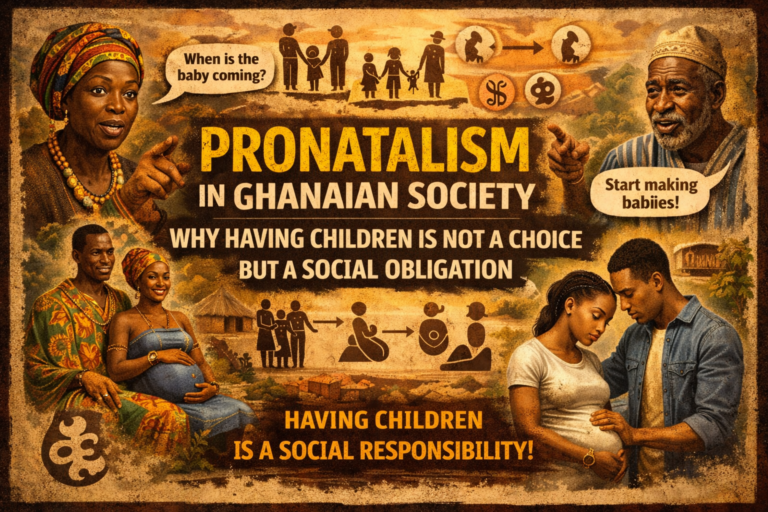

Pronatalism in Ghanaian Society: Why Having Children Is Not a Choice but a Social Obligation

Pronatalism refers to a strong cultural and social preference for having children, often accompanied by expectations that adults should reproduce as a normal and desirable life course. In Ghanaian society, having one’s own child is not merely a personal choice; it is widely regarded as a social obligation. Adulthood is culturally incomplete without parenthood, and…

Read More

African Witchcraft Versus European and American Witchcraft

African witchcraft versus European witchcraft have been the focus of local discussions about witchcraft in Ghana for many years. During the period of European colonization, westernization, and the early stages of modernization, people in the Gold Coast (now Ghana) struggled to explain the wide gap in development between Africans and Europeans. Many ordinary people asked…

Read More

Marxism and Marxist Criminology

Marxism, as developed by Karl Marx and Friedrich Engels, is a theoretical framework that seeks to explain the organization, functioning, and transformation of society, particularly under conditions of capitalism. Class Structure: Bourgeoisie and Proletariat At the center of Marxist analysis is a distinction between two primary social classes: the bourgeoisie and the proletariat. The bourgeoisie…

Read More
Phobians rising with a chant

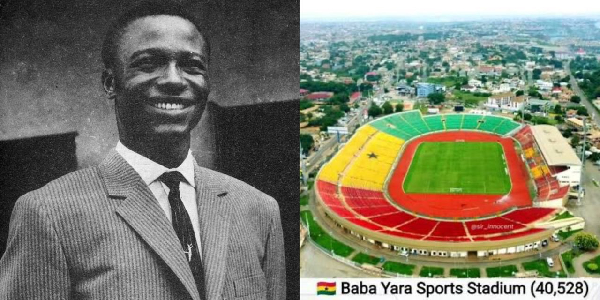
Why Accra Hearts of Oak Are Called “Phobia”: An account of their dominance in the 1960s

Accra Hearts of Oak Sporting Club was formally established on 11 November 1911 in Accra (then part of the British colony called the Gold Coast). Founded by a group of young men, including Christopher Brandford Nettey and Akom Duncan, it was part of the earliest wave of organized football in the region — at a…

Read More

Taboos in Akan Society of Ghana

The Akan constitute one of the major ethnic groups in Ghana, accounting for approximately 46 percent of the national population. They speak Twi, a language that is understood and spoken by nearly 90 percent of the country’s population. The Akan are made up of several subgroups, including the Asante, Fante, Akuapem (Akwapim), Akyem (Akim), Brong,…

Read More

When Trees and Rivers Lose Their Spirits: Animism in Modern Ghana

Animism is the belief that the environment and society are populated with spirits. Many Ghanaians hold animistic beliefs, maintaining that their surroundings are inhabited by spiritual beings. Some of these spirits are believed to be benevolent, while others are considered malevolent. Animistic beliefs are widespread across Ghana’s ethnic groups. Even Ghanaians who identify as Christian…

Read More

Mission Schools and Their Influence on Newspaper Readership

The growth of newspaper readership in the Gold Coast—modern-day Ghana—cannot be understood without examining the critical role played by nineteenth-century mission schools. These educational institutions, established by European Christian missions, were not only centers of religious instruction but also engines of literacy, intellectual transformation, and political awareness. By producing a new class of literate Africans,…

Read More

Indigenous Physical Games Played by Fante Fishermen Along the Coast

Along the wind-carved coastline of southern Ghana, among the Fante, physical games were never idle diversions. They were social rehearsals—training grounds for endurance, hierarchy, and communal rhythm. Two in particular—Atentam and Osibir—stand out in the historical record. Atentam derives from the Fante/Akan root tam, meaning “to push,” “to press,” or “to force against.” The prefix…

Read More

Muhammad Ali’s Visit to Ghana: When “The Greatest” Came Home:

In 1964, at just 22 years old, the newly crowned world heavyweight boxing champion Muhammad Ali stepped onto Ghanaian soil—and into African history. Fresh from his stunning victory over Sonny Liston in Miami, the young champion—then newly renamed Muhammad Ali—embarked on a tour of Africa. One of the most memorable stops on that journey was…

Read More

Polygamy in Ghana: To Abolish or Not to Abolish?

Polygamy refers to a marital arrangement in which a person is permitted to have two or more spouses at the same time. Although the term polygamy is often used loosely in everyday conversation, sociologists and anthropologists make important distinctions among its different forms. There are two main types of polygamy. The first, and by far…

Read More

Causes of Juvenile Delinquency in Ghana

Children are the future of every society. Yet Ghana faces a serious challenge if urgent steps are not taken to ensure that today’s children are properly guided and nurtured to grow into law-abiding and responsible citizens. In recent years, there has been a noticeable increase in juvenile delinquency across the country. Many children are skipping…

Read More

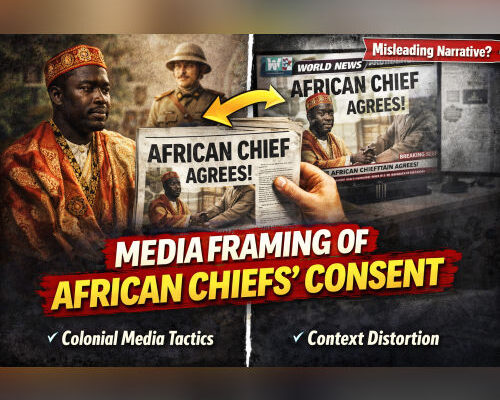
Media Framing of African Chiefs’ Consent

The concept of “chiefs’ consent” occupies a central place in the colonial history of the Gold Coast, present-day Ghana. Throughout the nineteenth and early twentieth centuries, colonial authorities frequently claimed that African chiefs willingly agreed to treaties, land concessions, and administrative reforms that facilitated British control. Newspapers—both colonial and African-run—played a decisive role in shaping…

Read More