




In the past, Ghanaian marriages were widely regarded as enduring unions. Separations were rare, and divorce was uncommon. Marriages were expected to last a lifetime, sustained not only by the couple but also by their extended families and lineages.
Today, however, the situation has changed dramatically. Marital breakdowns are increasingly common, and divorce has become widespread. The pressing question is: why are Ghanaian marriages collapsing at a faster rate than before? The answers are multiple and deeply rooted in social change.
The Disappearance of Family Vetting
Traditionally, marriage was not merely a private affair between a man and a woman. Before a marriage proposal was accepted, both families—especially the lineage—conducted extensive background investigations. A woman’s family sought to know whether the man’s lineage had histories of chronic alcoholism, thievery, witchcraft accusations, suicide, sexual immorality, or stigmatized diseases such as epilepsy or leprosy. They also investigated whether men in the family were hardworking, responsible, and capable of caring for wives and children.
Similarly, a man’s family examined the woman’s background and lineage with equal seriousness. Only after both families were satisfied would the marriage be approved and formalized.
Increasingly, these investigations no longer take place. Many couples now meet in urban centers, fall in love, and marry without the consent, knowledge, or approval of their lineages. As a result, unresolved personal, familial, and moral issues that might once have prevented marriage now surface after the union has already been formed—often with destructive consequences.
The Rising Cost of Marriage
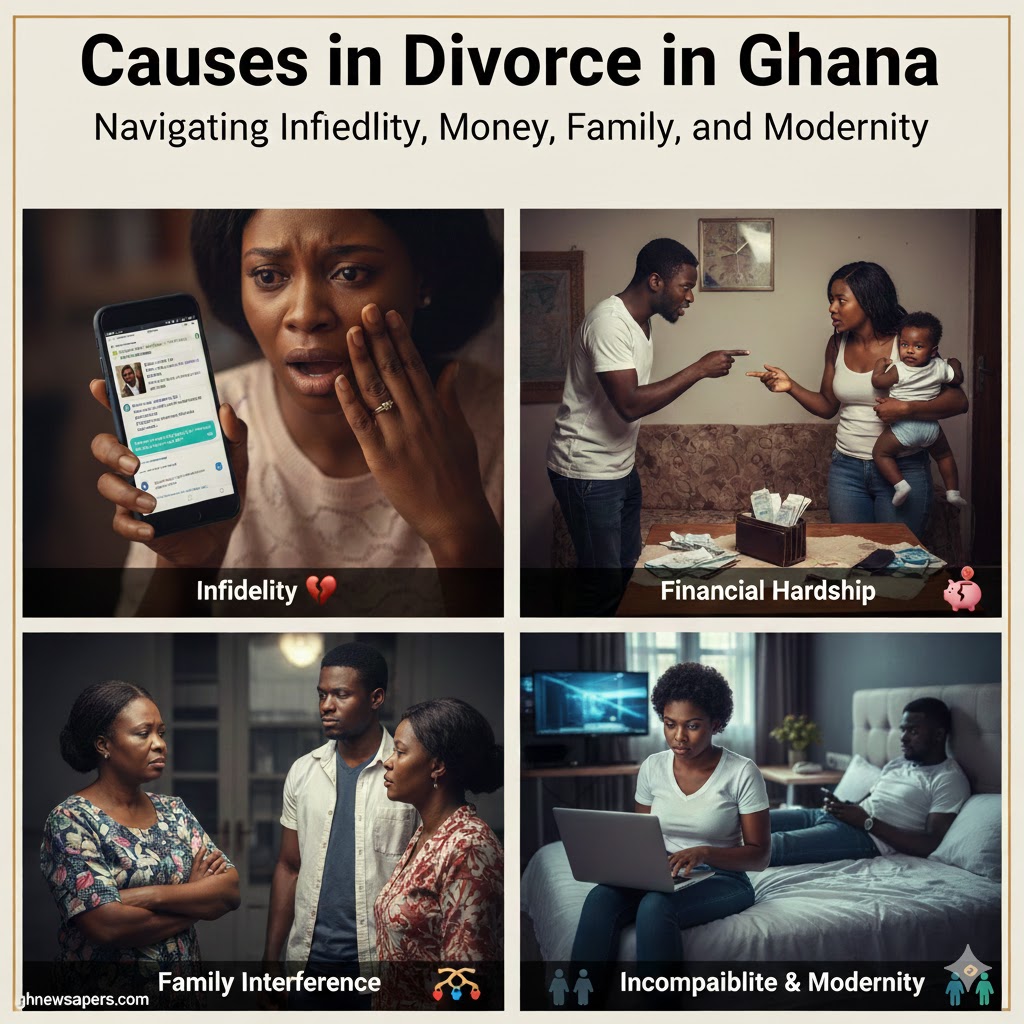
Another major strain on modern marriages is the escalating cost of bridewealth and wedding ceremonies. Bride price has become increasingly expensive, forcing some men to borrow money to fulfill marital obligations. These debts follow the couple into marriage, creating financial stress from the very beginning.
In addition, lavish engagement and wedding ceremonies have become social expectations rather than exceptions. Many newlyweds start married life burdened with loans and unpaid bills, and financial pressure quickly turns into marital conflict and resentment.
Religion, Time, and Domestic Absence
Religion, particularly intense church involvement, has also become a point of contention in some marriages. Some women—and men—spend long hours at church activities, prayer camps, and all-night services, leaving little time for spouses, children, and household responsibilities. When religious devotion consistently competes with family life, marital tensions inevitably arise.
Technology and Communication Breakdown
The mobile phone, though a powerful tool for connection, has paradoxically weakened communication within many marriages. Couples often spend more time on their phones than engaging in meaningful conversation with each other. Emotional distance grows where intimacy once flourished.
Changing Gender Expectations
Some men still operate under the belief that paying bridewealth grants them ownership over their wives and entitles them to unquestioned obedience. This thinking clashes sharply with contemporary realities. Ghanaian society is increasingly moving toward egalitarian marital relationships, where women expect partnership rather than subservience. When patriarchal expectations collide with modern gender consciousness, conflict ensues.
The Loss of Lineage Mediation
In the past, marital disputes rarely escalated to divorce because lineage elders intervened. Family members counseled couples, mediated conflicts, and restored harmony. Today, many couples live far away from their extended families, sometimes in entirely different regions or countries. Without elders to mediate disputes, minor disagreements often escalate into irreparable ruptures.
Conclusion
The breakdown of Ghanaian marriages is not the result of a single cause but a convergence of social, economic, cultural, and technological changes. As Ghana modernizes, the challenge is to find ways to preserve the stabilizing strengths of traditional marriage—family vetting, communal support, and mediation—while adapting to contemporary realities. Without such balance, marital instability is likely to persist.