

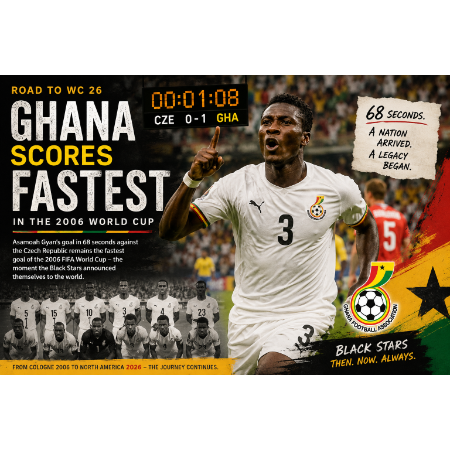




Asamoah Gyan — Beyond the 2010 Penalty
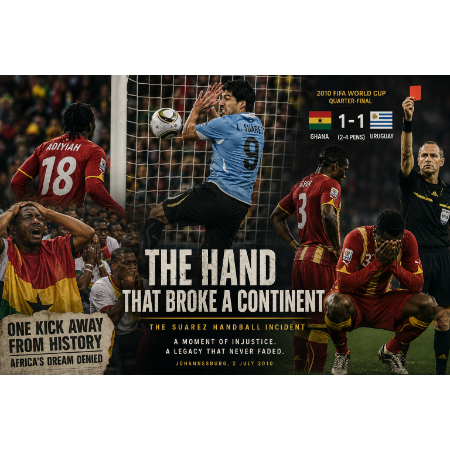
There is another layer to Gyan’s ordeal that many people overlook. After the 2010 World Cup heartbreak, he again missed a crucial penalty during the 2012 Africa Cup of Nations semi-final against Zambia. The emotional pressure from consecutive high-profile misses reportedly became psychologically devastating for him. He later announced a temporary break from the national team, admitting he was mentally exhausted and had not fully recovered from the trauma of the 2010 World Cup miss. This is significant because African football culture rarely allows athletes to openly discuss mental exhaustion. Gyan’s case was one of the earliest major Ghanaian examples showing the hidden psychological consequences of elite sport.
Thomas Partey — Injuries, National Expectations, and Public Distrust
Thomas Partey’s ordeal has largely revolved around injuries and public suspicion. As one of Africa’s elite midfielders and a key player for Arsenal F.C., Partey became central to Ghana’s hopes in major tournaments. However, recurring injuries repeatedly disrupted his availability for the Black Stars. This created tension among supporters. Some fans questioned whether Partey prioritized club football over national duty whenever injuries prevented him from playing for Ghana. Similar accusations were once directed at Michael Essien. Before the 2022 World Cup, there was national anxiety over whether Partey would recover in time after injury concerns. Ghanaian media followed his fitness almost obsessively because the team depended heavily on him. There is also another layer to Partey’s ordeal: the emotional pressure of underperforming during crucial moments. During the decisive 2022 World Cup match against Uruguay, Partey and the midfield were heavily criticized after Ghana’s elimination. In Ghanaian football culture, elite players are often expected not merely to perform well, but to rescue the nation during moments of crisis.
Mohammed Kudus — Carrying a New Generation Too Early
Mohammed Kudus represents a different type of ordeal: the burden of becoming the “chosen savior” too young. After his explosive performances at the 2022 FIFA World Cup, many Ghanaians began viewing him as the future of the Black Stars and possibly the next African global superstar. His goals against South Korea transformed him into a national icon almost overnight. But with that admiration came overwhelming expectations. Every poor performance now attracts disproportionate criticism because fans expect brilliance from him constantly. During Ghana’s disappointing 2023 Africa Cup of Nations campaign in Ivory Coast, criticism spread across Ghanaian media and social platforms despite Kudus being one of the team’s brightest players. The psychological danger for players like Kudus is that Ghanaian football culture tends to place collective hope onto one individual. Historically, Ghana has done this repeatedly — with Abedi Pele, Essien, Gyan, and now Kudus. This can become emotionally exhausting because every national setback begins to feel personally attached to the star player.
Daniel Amartey — Online Abuse and National Humiliation
Another important modern example is Daniel Amartey. After several defensive mistakes in international matches, Amartey became one of the most mocked Black Stars players online. During the 2022 World Cup and later tournaments, clips of his mistakes spread rapidly across social media, often accompanied by ridicule and insults. At one point, he also faced racial abuse during his club career in Europe, adding another dimension to his emotional burden. Modern footballers now endure criticism in a 24-hour digital environment where humiliation can trend globally within minutes. The Ghanaian football story therefore reveals something profound about stardom itself. Fame in sports is rarely pure glory. It is often a lonely existence where players become symbols larger than themselves. Every mistake becomes public property. Every failure becomes national conversation.
Lessons — The Virtue Held
Yet perhaps the greatest lesson from these stories is that footballers are human beings before they are heroes. They experience fear, anxiety, guilt, heartbreak, and emotional exhaustion like everyone else. The difference is that their pain unfolds before millions. As the modern World Cup continues evolving into an even bigger global spectacle, the pressure on athletes will only intensify. Social media now ensures that criticism follows players instantly across borders. A missed penalty can trend worldwide within seconds. For nations as emotionally invested in football as Ghana, this means future generations of players may carry even heavier psychological burdens. And still, despite everything, they continue stepping onto the pitch. That is perhaps the truest definition of courage in football.