


When historians discuss the global spread of football, the story is often told through familiar names and places: English schools, British sailors, South American ports, and European clubs. Yet hidden within the trenches, military camps, and colonial regiments of the First World War lies another powerful chapter — one written by African soldiers. During World War I, thousands of Africans served in colonial armies under British, French, Belgian, German, and Portuguese command. They marched through East Africa, crossed the Mediterranean into Europe, and fought in some of the most brutal military campaigns of the twentieth century. But they carried more than rifles and uniforms. They also carried football.
The war transformed football from a colonial pastime into a mass cultural phenomenon across Africa. Military service exposed African soldiers to organized football culture, and many returning veterans became the first generation of coaches, organizers, referees, and football evangelists in their local communities. In many ways, modern African football — including the rise of African stars on the world stage and the continent’s deep passion for the FIFA World Cup — can trace part of its origin story to the battlefields and barracks of World War I.
Football Before the War
Football had already arrived in Africa before 1914. British sailors, missionaries, traders, railway workers, and colonial administrators introduced the sport in coastal cities and colonial settlements during the late nineteenth century. The first recorded football match in Africa reportedly took place in Cape Town in 1862. From there, the game spread gradually through schools, ports, and military institutions.
However, before World War I, football remained relatively limited in reach. In many colonies, the sport was associated primarily with European settlers, mission schools, or elite African students educated under colonial systems. It had not yet become the truly mass social force that later united cities, villages, and nations across the continent.
The outbreak of World War I changed that dramatically.
The African Theater of World War I
The First World War was not only fought in Europe. Africa itself became a major theater of conflict. Germany possessed colonies in Togoland, Cameroon, German South-West Africa, and German East Africa. Britain, France, Belgium, Portugal, and South Africa launched campaigns to seize those territories. As a result, vast numbers of African men were recruited or conscripted into military service.
Historians estimate that nearly two million Africans participated in the war as soldiers, laborers, porters, and support personnel. Many served in famous colonial units such as the King’s African Rifles, the West African Frontier Force, and the French Tirailleurs Sénégalais. Despite the name, the Tirailleurs Sénégalais included soldiers from across French West Africa, including present-day Senegal, Mali, Guinea, Burkina Faso, and Niger.
These troops operated in highly diverse environments. Some fought in East Africa under harsh jungle conditions, while others were transported to Europe and stationed in France. For many African soldiers, military service became their first prolonged encounter with people from different regions, languages, and cultures.
And wherever the British and French armies went, football followed.
Why Armies Loved Football
Military commanders quickly realized that football served practical purposes within army life. It improved physical fitness, encouraged teamwork, boosted morale, and reduced boredom between deployments. Football required little equipment, could be organized almost anywhere, and created discipline within military camps.
British military traditions had already embraced football long before 1914. Soldiers frequently played matches in barracks and training camps across the British Empire. During the war, games were organized in military compounds from Europe to Africa. French colonial units also used football and other sports to maintain morale among troops.
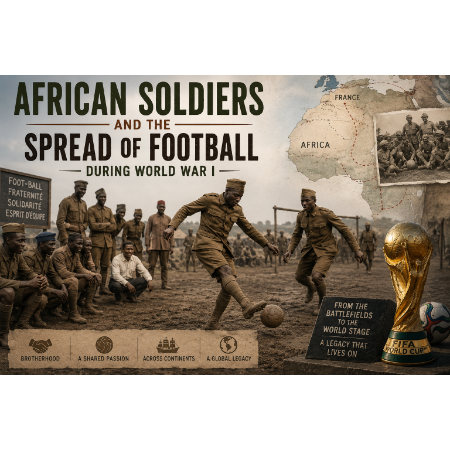
African soldiers therefore encountered football not simply as spectators but as participants. Men who had never previously seen an organized match suddenly found themselves playing alongside soldiers from Nigeria, Ghana, Senegal, Sierra Leone, Sudan, Kenya, Uganda, and beyond.
In military camps, football often crossed ethnic and linguistic barriers more effectively than colonial policy ever could. A simple leather ball became a shared language.
Returning Veterans and the Birth of Football Culture
The end of World War I did not end football’s influence. Returning African veterans carried the game back into their communities.
This development was especially important in West Africa. Former soldiers from the Gold Coast (modern Ghana), Nigeria, Senegal, and Sierra Leone introduced organized football structures into towns and urban centers. Many veterans had learned formal rules during military service. They understood positions, refereeing, training methods, and competitive organization.
In the Gold Coast, football expanded rapidly during the interwar years. Coastal cities such as Accra, Cape Coast, and Sekondi became early football centers. Soldiers and dockworkers organized local clubs, many of which evolved into major institutions within Ghanaian football culture. Similar developments occurred in Lagos, Dakar, Freetown, and Nairobi.
The military influence on African football remained visible for decades. Several early African football clubs emerged from military or police institutions. Army teams often possessed superior organization, equipment, and training compared to civilian sides.
Even more importantly, football became connected to ideas of identity and modernity. African veterans who had traveled abroad returned with new political and cultural awareness. Some had fought alongside Europeans and witnessed contradictions within colonial ideology. They had seen white soldiers bleed, suffer, and fear death like everyone else.
Football fields increasingly became spaces where Africans demonstrated discipline, intelligence, athletic excellence, and collective pride. Long before independence movements swept across Africa after World War II, football clubs quietly nurtured forms of local nationalism.
Football and Colonial Power
Ironically, colonial authorities initially encouraged football because they believed it promoted obedience and social order. Mission schools and military administrators viewed organized sport as a tool for discipline.
But football evolved beyond colonial control.
African communities reshaped the sport according to local realities. Matches became social events attracting workers, traders, students, and political activists. Urban football clubs often reflected neighborhood identities, ethnic associations, or emerging nationalist sentiments.
In French West Africa, colonial administrators promoted sport as part of a broader “civilizing mission.” Yet African players transformed football into a platform for dignity and visibility. In British colonies, football leagues increasingly drew huge crowds by the 1920s and 1930s.
The transformation was remarkable. A game originally introduced through empire slowly became one of the strongest expressions of anti-colonial identity.
The Long Road to the World Cup
The influence of African soldiers during World War I can still be seen in modern football history.
The decades after the war witnessed explosive growth in African football institutions. Clubs multiplied across urban centers. Inter-city competitions emerged. Newspapers began covering matches. Spectatorship expanded rapidly.
Eventually, African nations demanded recognition within global football structures. Egypt became the first African nation to participate in the FIFA World Cup in 1934. After independence movements accelerated during the mid-twentieth century, newly sovereign African states invested heavily in football as a symbol of national pride.
The creation of the Confederation of African Football (CAF) in 1957 marked another milestone. By the late twentieth century, African footballers were starring in European leagues, while African national teams became increasingly competitive at World Cups.
Today, nations such as Ghana, Senegal, Morocco, Cameroon, and Nigeria carry enormous football traditions. Morocco’s historic semifinal run at the 2022 FIFA World Cup represented a landmark moment not only for Africa but for the wider Global South. Millions across the continent celebrated the achievement as a collective victory.
Yet the roots of this football passion stretch back more than a century. The spread of football through African military service during World War I helped create the foundations upon which modern African football culture was built.
Ghana and the Legacy of Colonial Soldiers
For Ghana specifically, the connection is especially powerful. Soldiers from the Gold Coast Regiment participated in campaigns during World War I, particularly in German Togoland and East Africa. Military barracks and coastal towns became important centers for football development.
By the 1920s and 1930s, football was deeply embedded in urban Gold Coast life. Schools, military units, and workers’ associations organized competitions that laid the groundwork for future Ghanaian success.
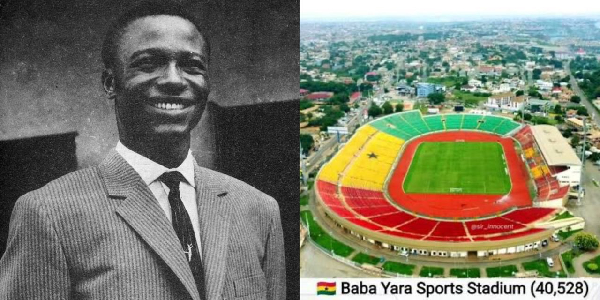
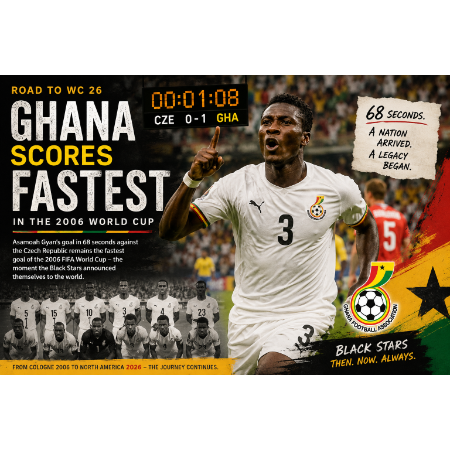
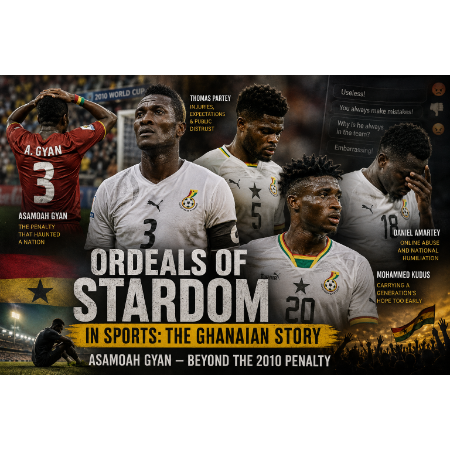
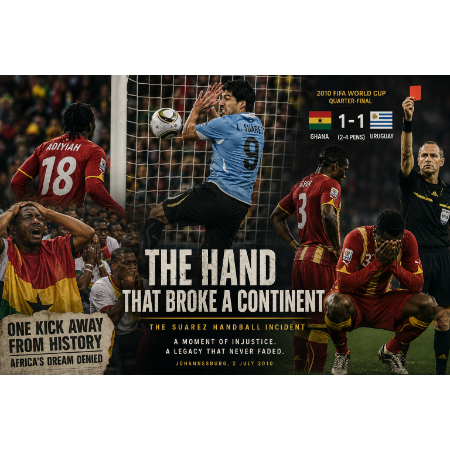
That football culture eventually produced legendary players and teams, from the famous Black Stars to global icons such as Abedi Pele, Michael Essien, and Asamoah Gyan. Ghana’s dramatic performances at the 2006 and 2010 FIFA World Cups reflected more than athletic talent. They reflected over a century of football history shaped by colonialism, migration, military service, and African resilience.
Conclusion
World War I is often remembered for trenches in Europe, imperial rivalries, and catastrophic loss of life. But its hidden cultural consequences were equally profound. Among those consequences was the transformation of football in Africa.
African soldiers did not merely fight in a European war. They became unexpected agents of cultural exchange. Through military camps and colonial regiments, football spread across regions that had previously experienced the sport only marginally. Returning veterans carried the game home, where it evolved into one of Africa’s most influential social and cultural institutions.
Today, when African nations electrify the FIFA World Cup with their flair, passion, and tactical brilliance, they continue a story that began long before modern stadiums and television audiences. Part of that story began in the mud of military camps during World War I, where African soldiers discovered a game that would eventually unite villages, cities, and entire nations.
Football in Africa was never just imported from Europe. African soldiers helped reinvent it, popularize it, and transform it into something far greater than colonial authorities ever imagined.