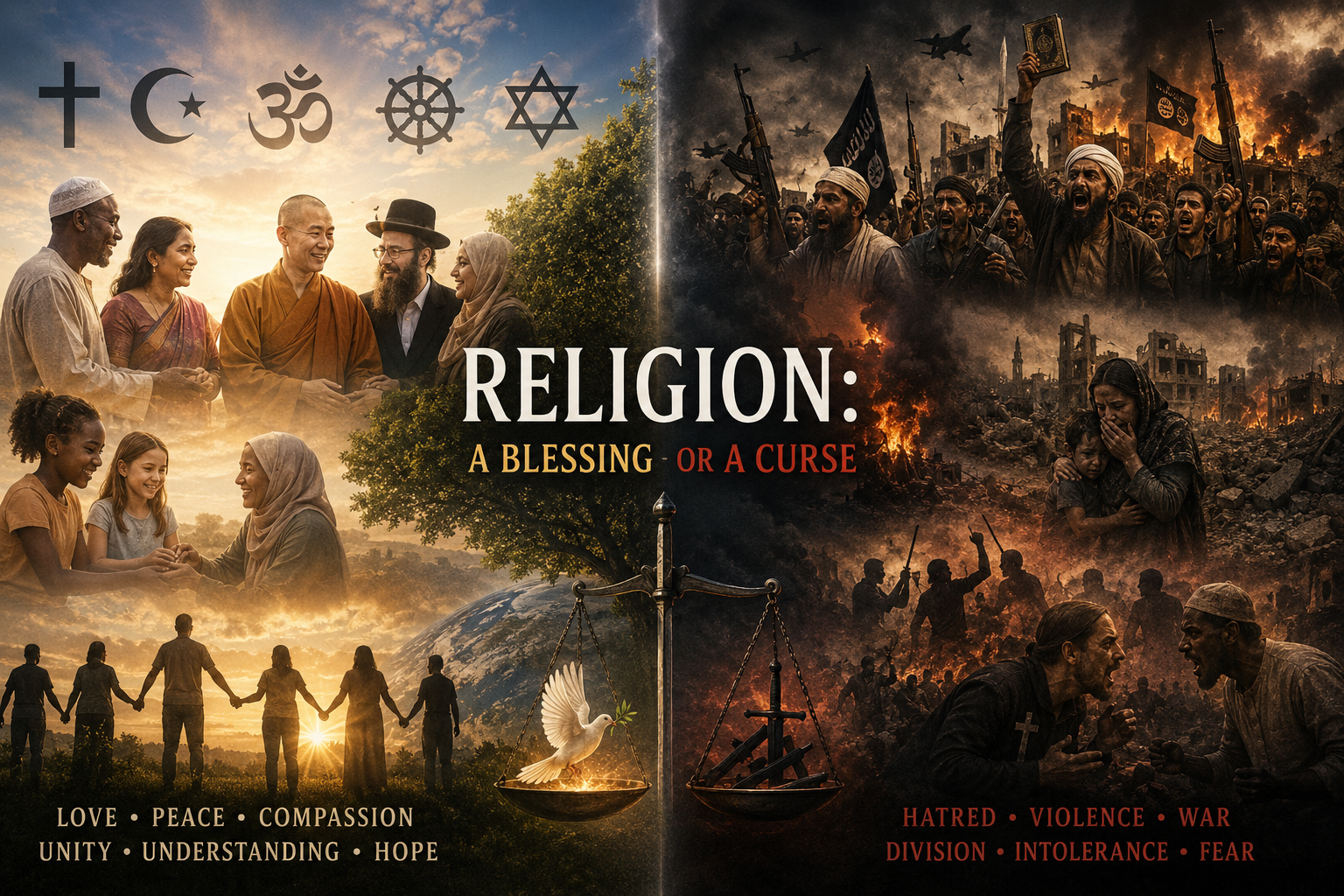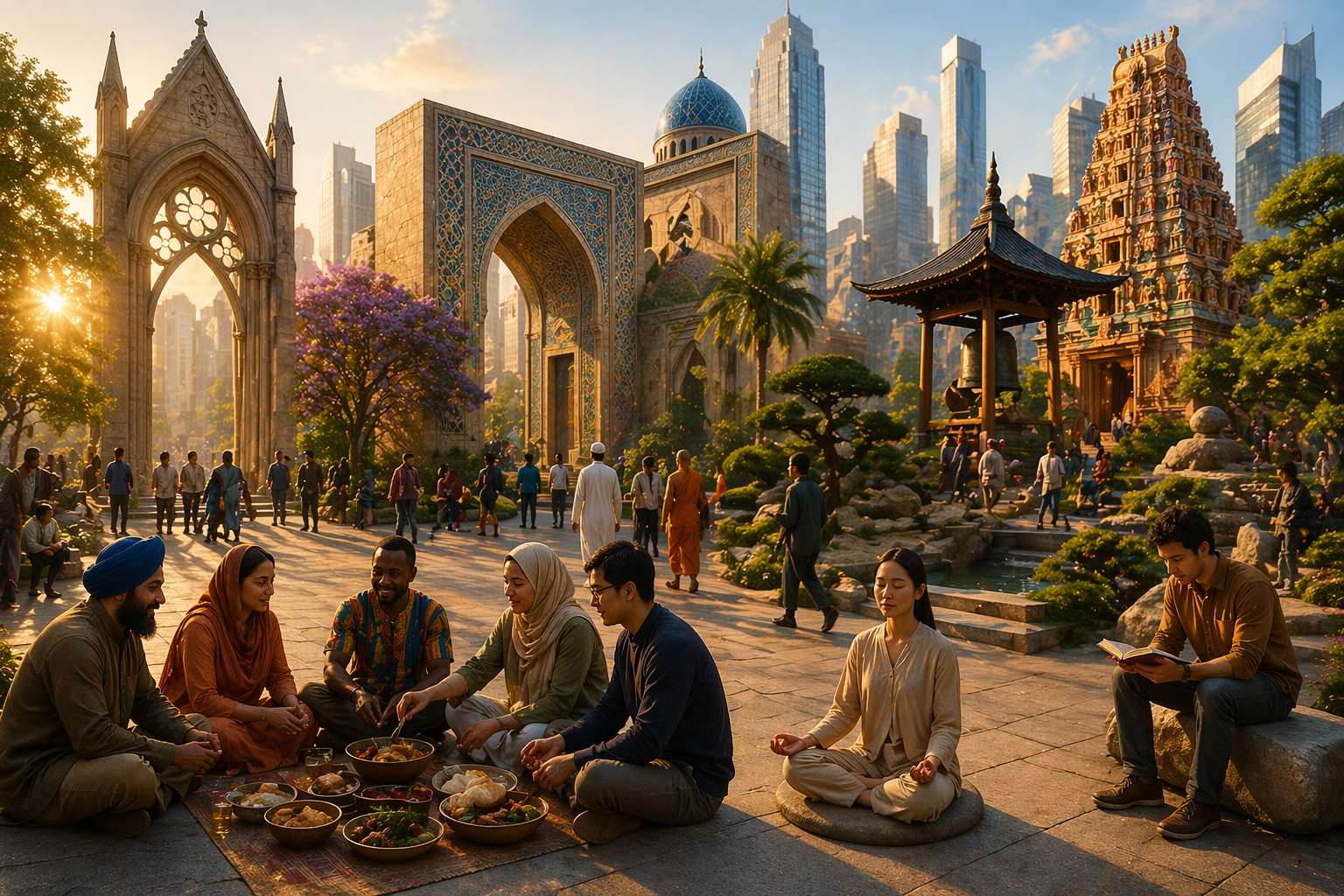








Scholars who study society—sociologists, anthropologists, and others—have long observed that religion exists in every known culture. Because of this, religion is often described as a cultural universal. It is not limited to one people or place; it is a shared human experience.
In today’s world, religion remains widespread. About 2 billion people identify as Muslims, while roughly 2.8 billion are Christians. In Ghana, religion plays a central role in everyday life: about 70 percent of the population identify as Christian, around 20 percent as Muslim, and between 5 and 7 percent follow Traditional African Religions.
The fact that religion is found everywhere suggests that it serves important functions in society.
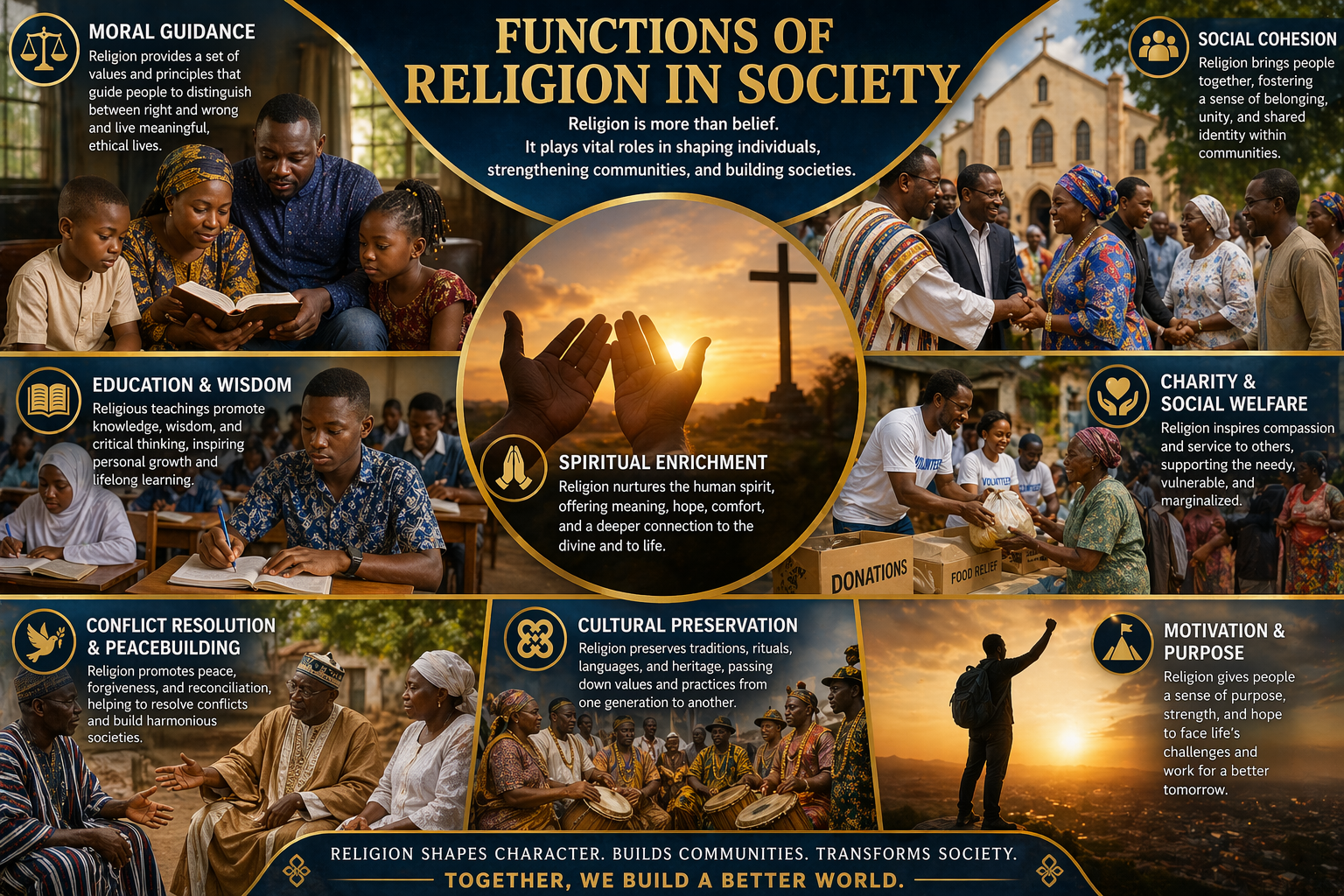
One of its key roles is to act as a kind of social “cement.” Religion brings people together and strengthens bonds within communities. Through shared beliefs and regular gatherings, it creates a sense of belonging and unity among its followers.
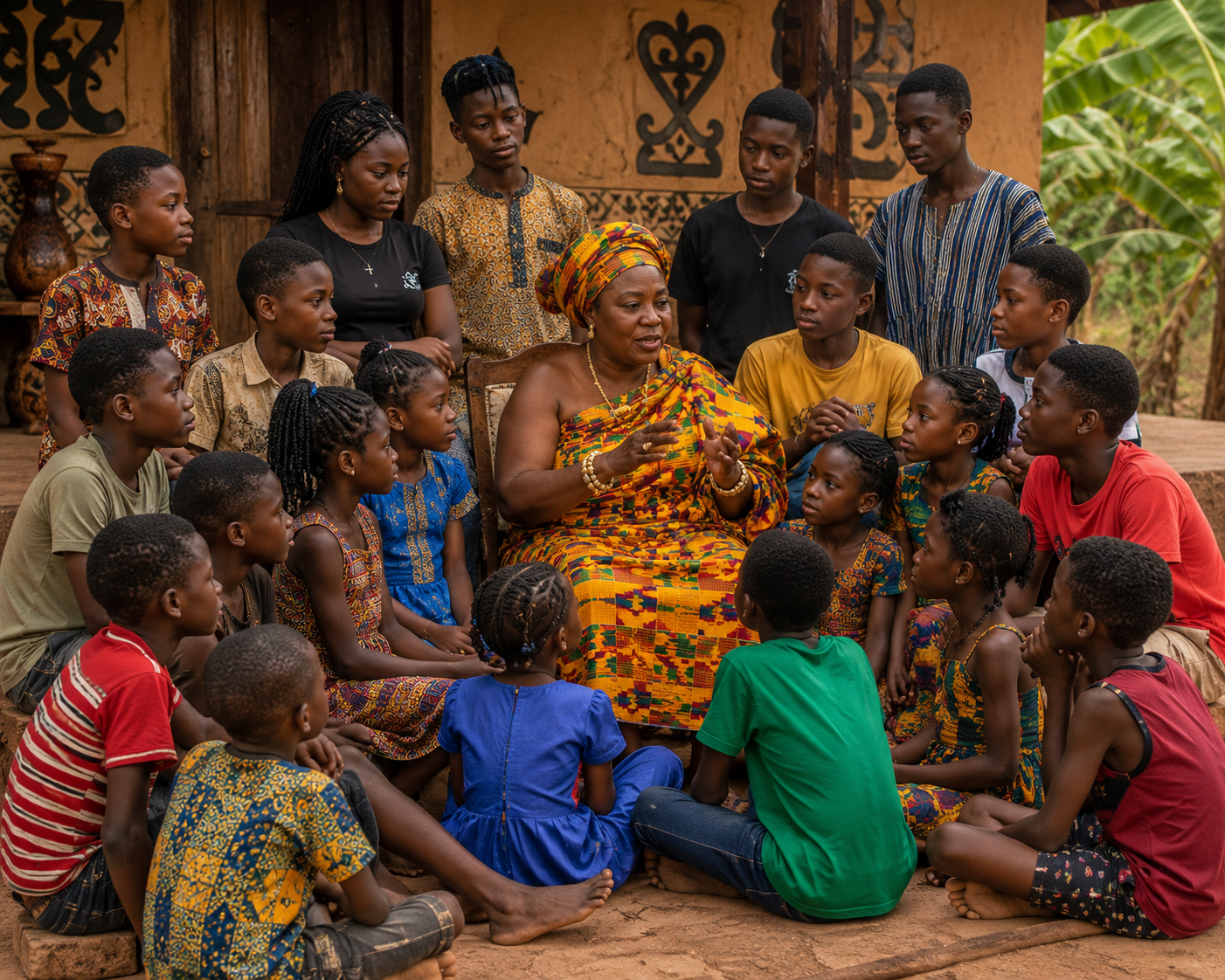
Rituals are especially important in this regard. Events such as baptisms, weddings, Friday prayers, Sabbath services, Christmas celebrations, and funerals gather people in moments of joy and sorrow. These shared experiences remind individuals that they are part of a larger community. They also help to preserve traditions, reinforce moral values, and pass cultural knowledge from one generation to the next.
The French sociologist Emile Durkheim argued that these shared beliefs and rituals are so vital that every society needs them. Even where formal religion may decline, other belief systems often emerge to perform similar functions of unity and meaning.
Religion also helps people answer life’s deepest questions. Where did we come from? Why are we here? Is there life after death? Such questions have no simple answers, yet religion offers explanations that give people a sense of purpose and direction.
Beyond this, religion provides ways of understanding human suffering and misfortune. It offers explanations for life’s challenges and reassures believers that their struggles have meaning. In doing so, it helps people cope with uncertainty and hardship.
Religion also plays a role in maintaining social order. By promoting values such as respect for life, honesty, and moral conduct, it guides individual behavior. Many of society’s most important norms—especially those concerning life, family, and property—are supported not only by law but also by religious teachings.
Finally, religion offers emotional support. At key moments in life—birth, marriage, and death—religious rituals provide comfort, structure, and meaning. In times of grief or crisis, faith communities often become sources of strength and solidarity.
In all these ways, religion continues to shape human life. It binds people together, offers meaning in uncertain times, and helps societies maintain order and continuity across generations.
Functions of Religion in Ghana
In Ghana, religion plays a particularly visible and unifying role. It brings together large numbers of people, many of whom may be strangers, and binds them through shared faith and worship. Whether in churches, mosques, or traditional shrines, people gather regularly, forming strong social ties and a sense of belonging.
Religious groups in Ghana are guided by sacred texts and teachings. These provide moral direction, instructing believers on how to live upright lives and prepare for the hereafter. As a result, many people turn to religious commandments and principles to guide their daily conduct, avoid wrongdoing, and promote social harmony.
Religion in Ghana also offers answers to fundamental questions about life. It provides origin stories—explaining where human beings come from—as well as beliefs about what happens after death. These teachings give meaning to life and help individuals understand their place in the world.
In these ways, religion continues to shape both personal lives and the broader social fabric of Ghana, reinforcing unity, guiding behavior, and offering hope for the future.