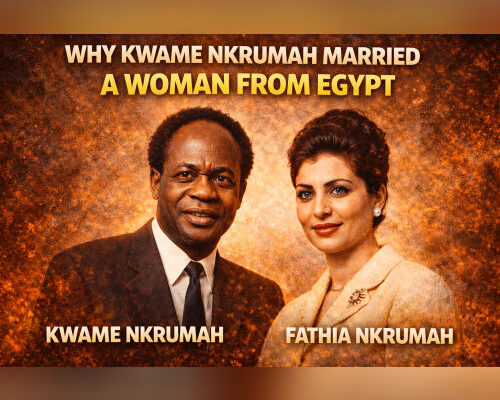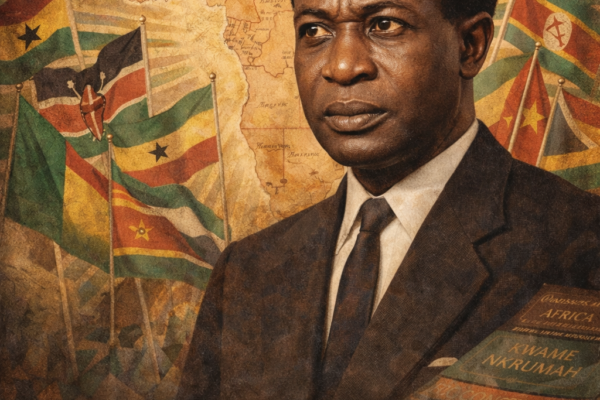




Why did Kwame Nkrumah marry a woman from Egypt?   

For many years, this question has generated curiosity, debate, and speculation. But the answer lies not only in romance. It lies in politics, diplomacy, and a bold continental vision during one of the most transformative periods in African history. When Ghana gained independence from Britain on March 6, 1957, Kwame Nkrumah stood at the center…

Read More

How Cocoa Built Ghana’s Economy from the Gold Coast Era to Today

Few business stories have shaped Ghana as deeply and enduringly as cocoa. From a small agricultural experiment in the late 19th century to becoming the backbone of the national economy, cocoa transformed the Gold Coast into one of the world’s most important producers and laid the foundation for modern Ghana’s economic identity. The Birth of…

Read More

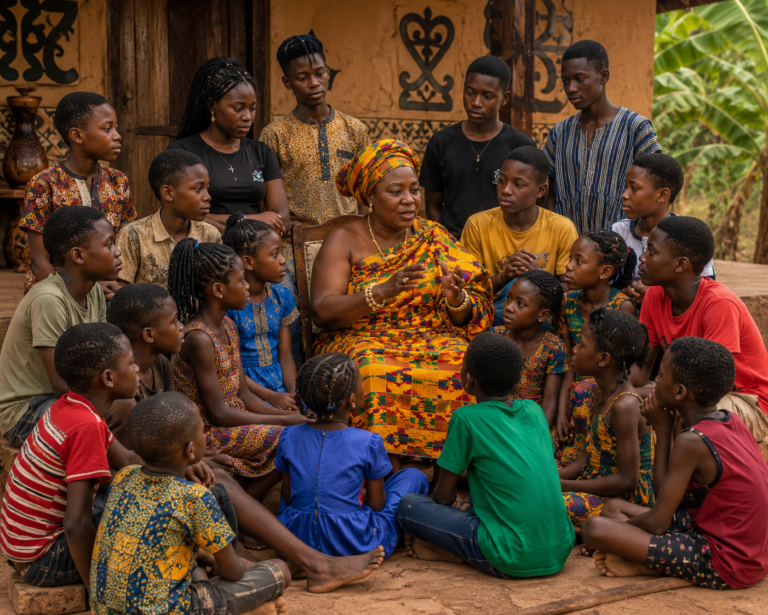
Why Akan Chiefs Are Carried in Palanquins

The Akan of GhanaThe Akan are an ethnic group that live in Ghana. They occupy a broad stretch of territory extending from the coastal areas to the central forest belt of the country. Historically and culturally, the Akan constitute one of the largest ethnolinguistic groups in Ghana and share closely related languages, traditions, and social…

Read More

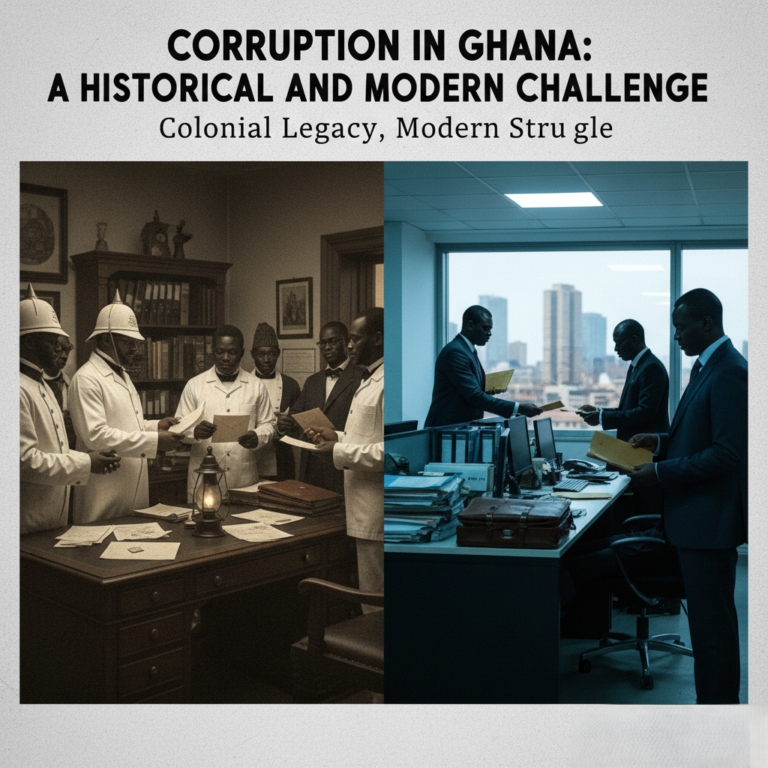
Corruption: A Lingering Social Issue from the Gold Coast Era to Modern Ghana

Corruption remains one of the most enduring social challenges confronting Ghana. Its roots stretch back to the colonial Gold Coast era (1821–1957) and continue to influence governance, public trust, and national development today. Understanding this long history is essential to appreciating why corruption has proven so difficult to eradicate. Corruption During the Gold Coast Era…

Read More

Why Cultural and Linguistic Self-Determination Is Necessary in Ghana

For a long time, Ghanaians have embraced foreign ways and ideas that have not served them well and, in many cases, have undermined national development. For this reason, some Ghanaians are increasingly calling for cultural and linguistic self-determination as a necessary step if the nation is to move forward with confidence and purpose. They question…

Read More

Alcohol Abuse in Ghana: Social, Economic, and Health Consequences

Irresponsible alcohol consumption has become a growing social problem in Ghana, with serious consequences for individuals, families, and communities. Some drinkers spend a large proportion of their income on alcohol, leaving little or nothing for basic necessities such as food, clothing, rent, medication, and utilities. For those with spouses and dependent children, excessive spending on…

Read More

The Ghana National Flag: Symbol of Unity, Freedom, and Heritage

A Historic Emblem of Independence The Ghana national flag is more than a piece of cloth fluttering in the wind; it is a powerful symbol of the country’s history, aspirations, and identity. First officially adopted on March 6, 1957—the same day Ghana became the first African nation to gain independence from colonial rule—the flag reflects…

Read More

How Colonial Governors Used Newspapers to Control Information

During the colonial period in the Gold Coast—modern-day Ghana—newspapers were not merely instruments of public communication; they were powerful tools of governance and political control. Colonial governors recognized early that controlling the flow of information was essential for maintaining authority, shaping public opinion, and managing resistance. Through censorship laws, strategic propaganda, selective reporting, and alliances…

Read More

Dear Africans: Don’t Confuse “Fear” with “Respect”

Oftentimes, in Africa, people conflate respect with fear, treating them as if they are interchangeable. Yet within Akan moral language, a clear distinction is maintained between fɛreɛ (respect) and suro (fear). To say “me fɛre wo” is fundamentally different from “me suro wo.” The former connotes esteem, regard, and moral acknowledgment; the latter signals apprehension,…

Read More

Femicide: When Females Are Victims of Homicide

Femicide refers to the intentional killing of females because they are female. It is widely recognized within criminology and gender studies as a distinct form of homicide, shaped by gender inequality, power imbalances, and cultural norms. Scholars of homicide and lethal violence use several related terms to describe gender-based killings. One such term is gynocide,…

Read More

GHANA: God Has Anointed the Nation Already — A Nation Richly Blessed

Ghana stands for “God Has Anointed the Nation Already.” Many Ghanaians see their country not merely as a geographical territory in West Africa, but as a land endowed with immense natural, human, and spiritual blessings. From abundant mineral wealth to fertile agricultural lands and a vibrant population of educated citizens, Ghana possesses many of the…

Read More
Cultural perspectives on suicide in Akan society of Ghana

Suicide in Akan Society of Ghana

Suicide is defined as death resulting from self-directed harmful behavior carried out with the intent to die. A suicidologist is a professional who specializes in the scientific study of suicide and suicidal behavior. Suicidologists examine the causes of suicide, develop strategies for prevention, design and evaluate intervention measures, and study postvention—the responses and supports needed…

Read More

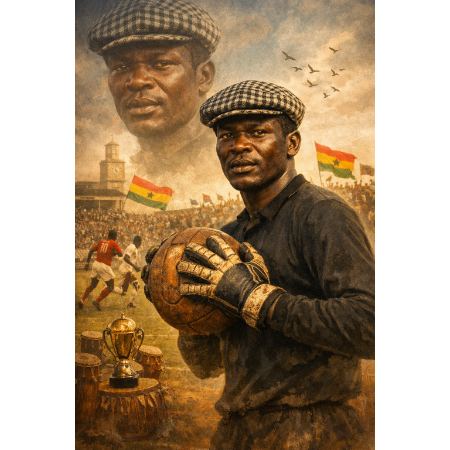
From Jamestown to the World: The Ghanaian Roots of the First Black Football Pioneer

When people discuss the early history of football, the narrative often begins in Britain and gradually expands to the rest of the world. Rarely, however, does the conversation turn toward West Africa—particularly the historic Gold Coast, present-day Ghana. Yet one of the most remarkable pioneers of the sport, widely regarded as the first Black professional…

Read More