










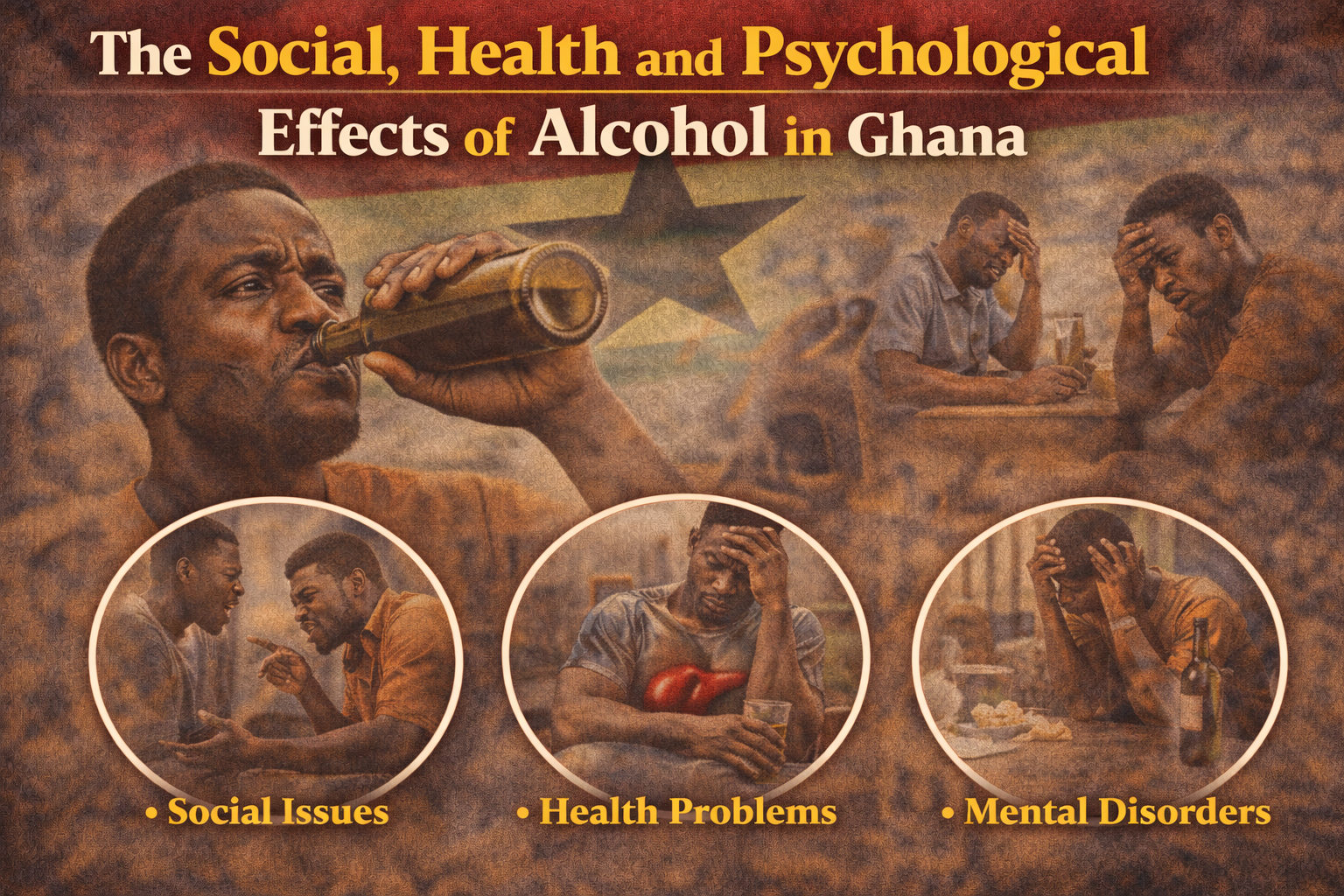
Irresponsible alcohol consumption has become a growing social problem in Ghana, with serious consequences for individuals, families, and communities.
Some drinkers spend a large proportion of their income on alcohol, leaving little or nothing for basic necessities such as food, clothing, rent, medication, and utilities. For those with spouses and dependent children, excessive spending on alcohol often means school fees, textbooks, healthcare, and daily chop money for the household go unmet, plunging families into hardship.
Alcohol abuse also contributes significantly to road traffic accidents in Ghana. Individuals who drink and drive impair their judgment, coordination, and reaction time, making them more likely to cause fatal crashes. Operating vehicles or machinery while intoxicated puts not only the driver at risk but also passengers, pedestrians, and other road users.
Pedestrians under the influence of alcohol are equally vulnerable. Impaired awareness and slowed reactions may prevent them from stepping out of the path of oncoming vehicles, leading to serious injuries or death.
Irresponsible drinking is further linked to violence and crime. Alcohol consumption often fuels physical fights, assault, sexual violence—including stranger rape and date rape—and, in extreme cases, homicide. Many violent crimes in Ghana occur when perpetrators are under the influence of alcohol.
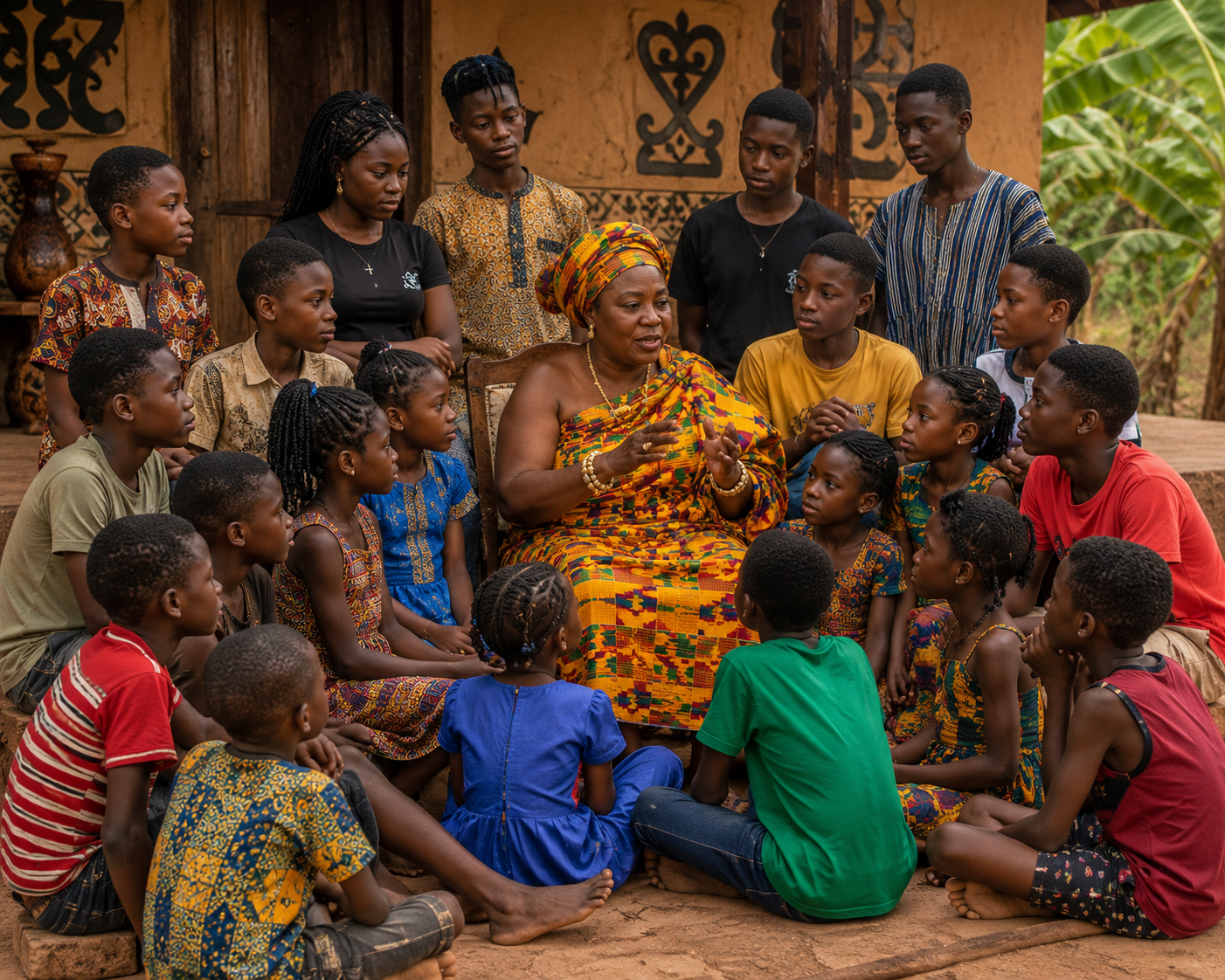
Children are also affected. Some children imitate the drinking behaviors of their parents, normalizing alcohol abuse at an early age. Parents therefore have a responsibility to model self-control and restraint, or to abstain altogether.
Beyond these social and economic consequences, alcohol abuse poses serious health risks, including liver cirrhosis, alcohol dependence, and chronic alcoholism, placing additional strain on Ghana’s healthcare system.
Policy-Focused Conclusion & Call to Action
Alcohol abuse in Ghana is not just an individual issue—it is a national public health and safety crisis with clear social, economic, and mortality costs. To protect families, reduce preventable injuries, and create safer communities, coordinated action is urgently needed.
First, Ghana must accelerate full implementation and enforcement of the National Alcohol Policy (2016) and its accompanying regulatory instruments. This includes stronger controls on alcohol availability, marketing, and pricing, designed to discourage harmful consumption. GBC Ghana Online
Second, road safety laws must be modernized. Current blood alcohol concentration (BAC) limits allow significant impairment legally; adopting a lower BAC limit (e.g., 0.05%) in line with global best practices would reduce alcohol-related crashes and save lives. Graphic Online
Third, community and school-based education campaigns should promote responsible drinking norms and highlight the real consequences of alcohol misuse on families, productivity, and health.
Fourth, healthcare systems must integrate routine screening for alcohol use disorders into emergency care, mental health services, and primary care settings, with referrals for treatment and counseling.
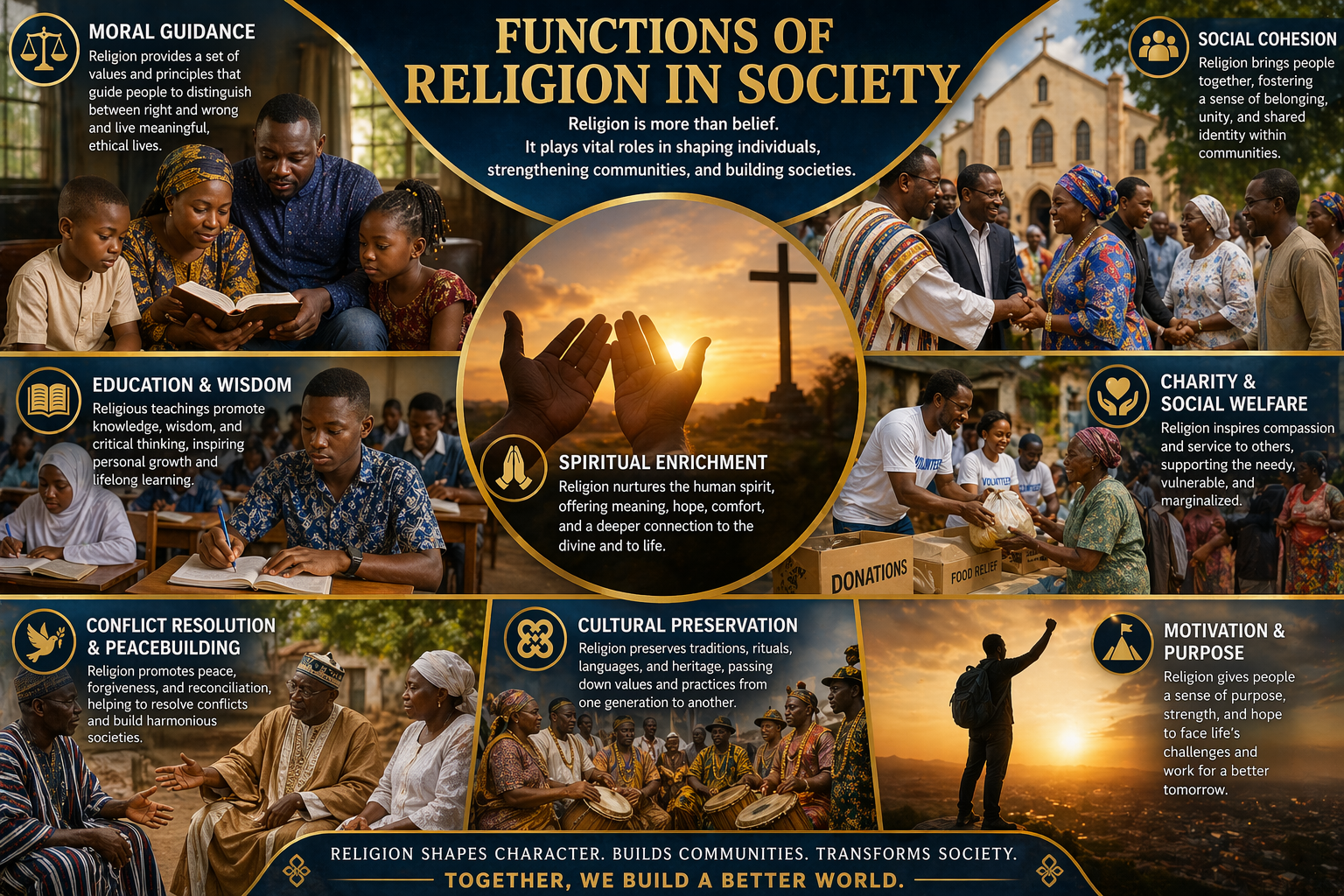
Finally, civil society, faith organizations, and the media have a role to play in shifting public attitudes—encouraging moderation, reducing stigma around seeking help, and fostering environments where alcohol is not synonymous with entertainment or stress relief.
In combination, these policy actions and community strategies can reduce the harms of alcohol abuse, protect the vulnerable, and build healthier Ghanaian families and communities.