






No one is born with knowledge. Human beings are born with the capacity to learn, but what they eventually know—how they speak, think, behave, believe, and interpret the world—is acquired from society. Knowledge, values, attitudes, and skills are socially produced and socially transmitted.
By the time a Ghanaian child reaches the age of eighteen, that child knows a great deal: how to speak at least one language, how to behave in public, what is considered polite or rude, how authority works, how gender roles are defined, how religion is practiced, how to dress for different occasions, and how to distinguish right from wrong—at least as society defines it.
Yet we rarely pause to ask an important sociological question: From whom did the child learn all this? Where did this knowledge come from? And how was it acquired?
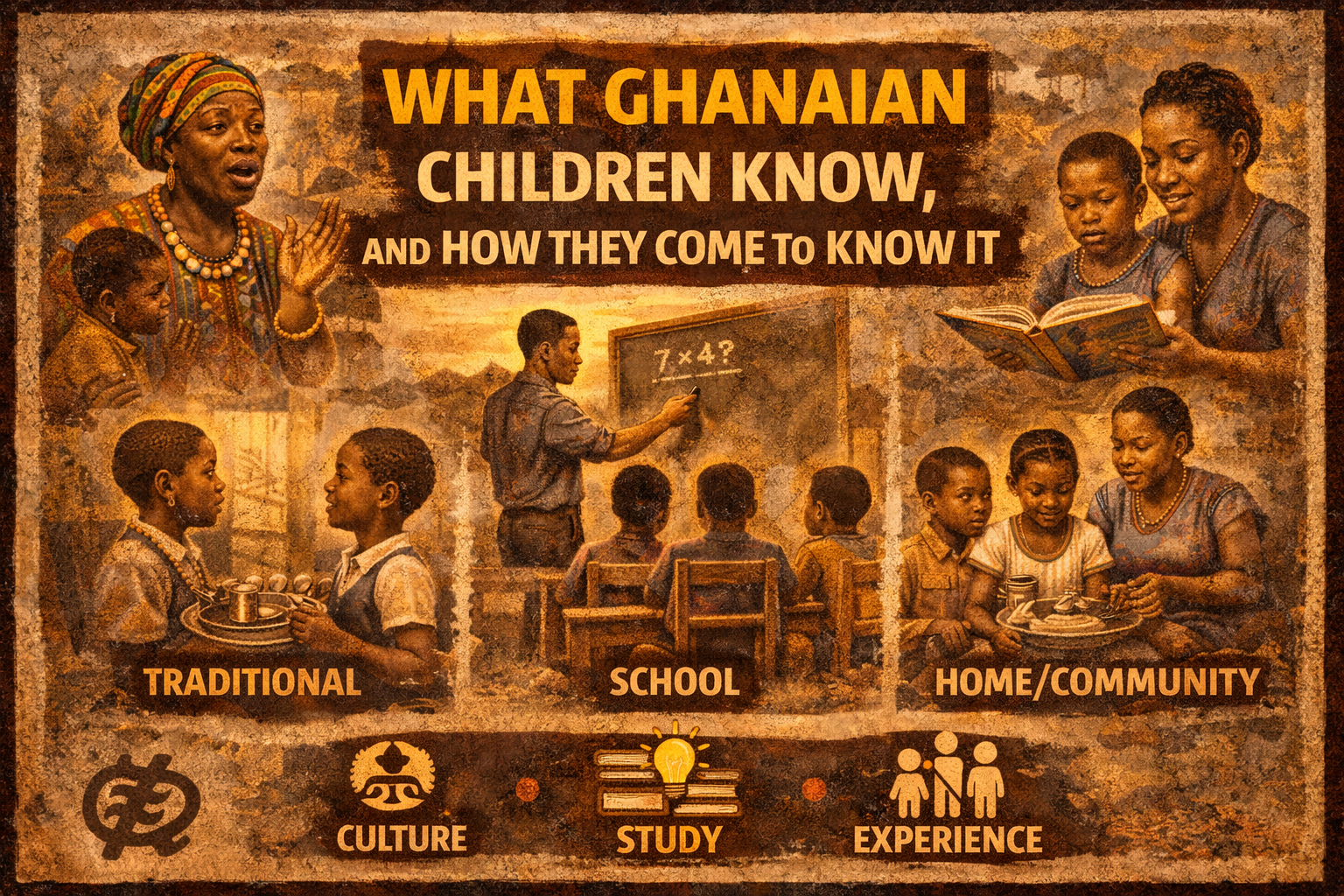
The answer is that children learn from multiple sources, operating simultaneously and sometimes in competition with one another. Sociologists refer to this lifelong process of learning culture as socialization.
Socialization is not a one-time event. It begins in infancy and continues until death. It is through socialization that a helpless infant is gradually transformed into a functioning member of society. The individuals, groups, and institutions that transmit knowledge, values, norms, and expectations are known as agents of socialization. Let us examine how this process unfolds in Ghanaian society.
The Family of Orientation
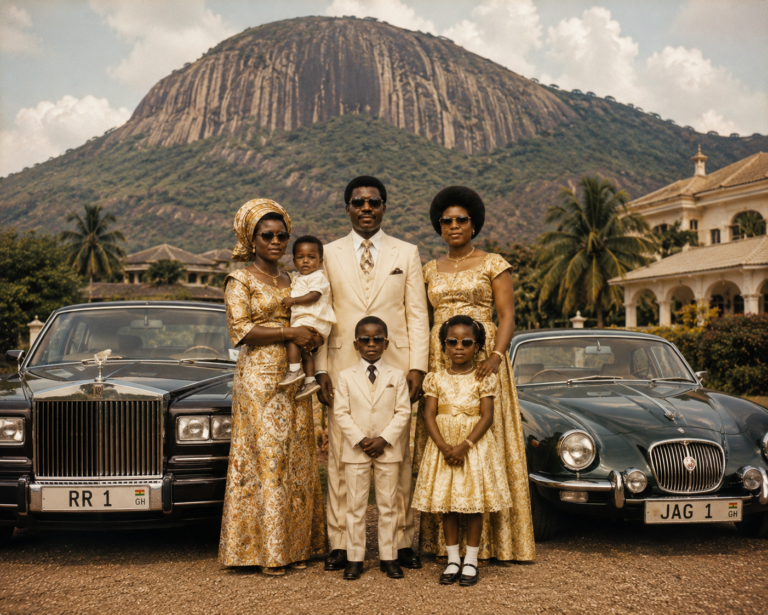
Every Ghanaian child is born into a family—or adopted into one. Sociologists call this the family of orientation, the first and most influential agent of socialization. Within this family, the child encounters parents and, in the case of a nuclear family, siblings. In an extended family setting—still common in many parts of Ghana—the child is exposed not only to parents and siblings but also to grandparents, uncles, aunts, cousins, nieces, and other kin.
It is in this family environment that the child first learns how to sit, crawl, walk, talk, eat properly, greet elders, and follow basic instructions. The child learns what is acceptable behavior and what is forbidden, how to show respect, when to speak and when to remain silent, and how authority operates. Language, manners, emotional expression, and moral discipline are all first taught in the family.
In short, the family provides the primary foundation upon which all later learning is built.
Peer Groups
As children grow older, their social world expands beyond the family. They begin to interact with other children in the neighborhood, at school, in churches, mosques, playgrounds, and streets. These children constitute what sociologists call peer groups. From peers, children learn how to play games, share resources, negotiate conflicts, form friendships, and assert themselves. Peer groups are also where children experiment with roles, identities, and behaviors—sometimes reinforcing what parents teach, and at other times challenging it.
It is within peer groups that some children learn slang, swear words, popular songs, fashion trends, and role-playing activities such as “playing house,” “playing mother and father,” or imitating teachers, drivers, and traders. Peer influence can be positive or negative, but it is always powerful, especially during adolescence.
The School
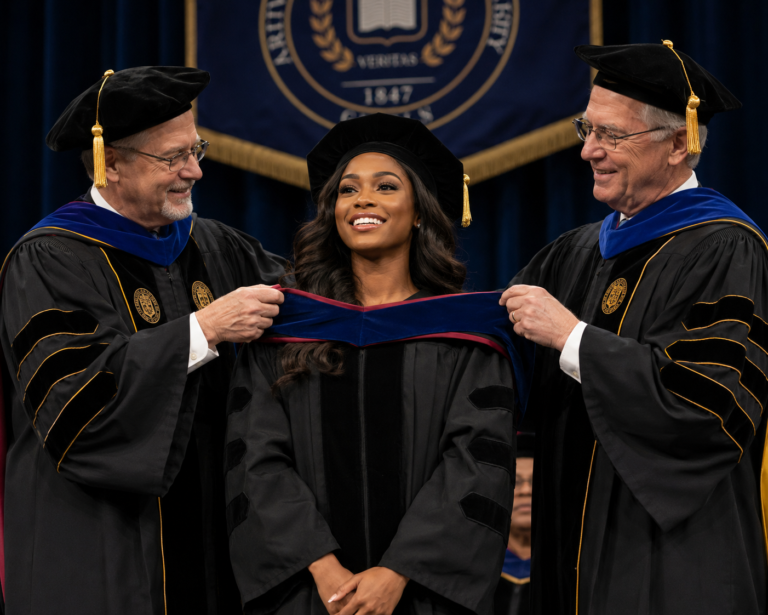
Formal education introduces the child to one of the most structured agents of socialization: the school. When a child enters school, they encounter teachers, classmates, school authorities, and institutional rules that shape their behavior and thinking.
From kindergarten through junior high and senior high school, Ghanaian children learn reading, writing, arithmetic, science, history, geography, and civic education. They learn not only academic subjects but also discipline, punctuality, teamwork, competition, obedience to rules, and respect for institutional authority.
Schools socialize children into ideas of good citizenship, national identity, and collective responsibility. Through sports, debates, school assemblies, and extracurricular activities, children learn cooperation, leadership, and social hierarchy. In many ways, the school prepares the child for participation in the wider society.
Religion
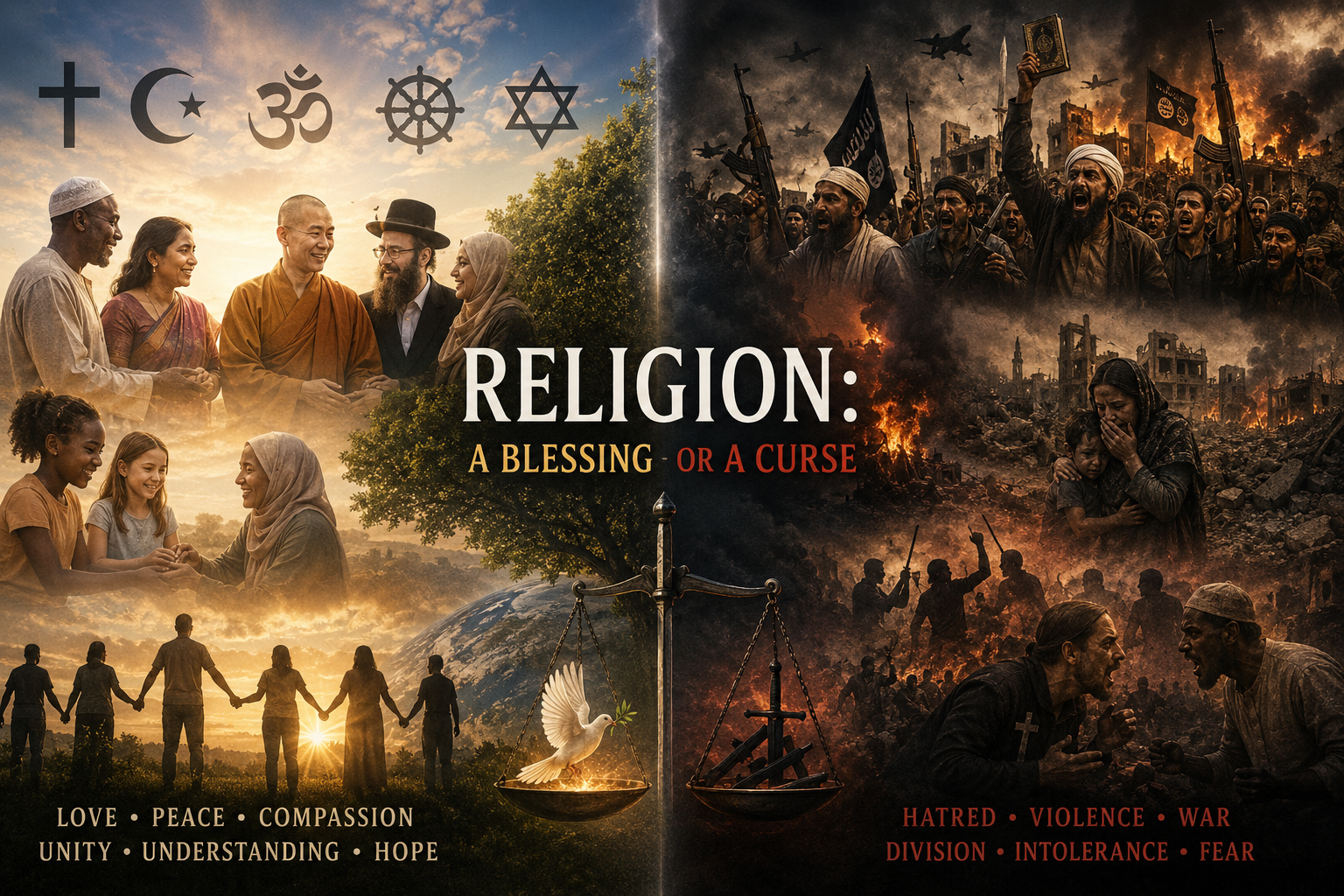
Ghana is a deeply religious and religiously diverse society. Christianity, Islam, African Traditional Religion, Buddhism, Hinduism, and other belief systems coexist within the national religious landscape.
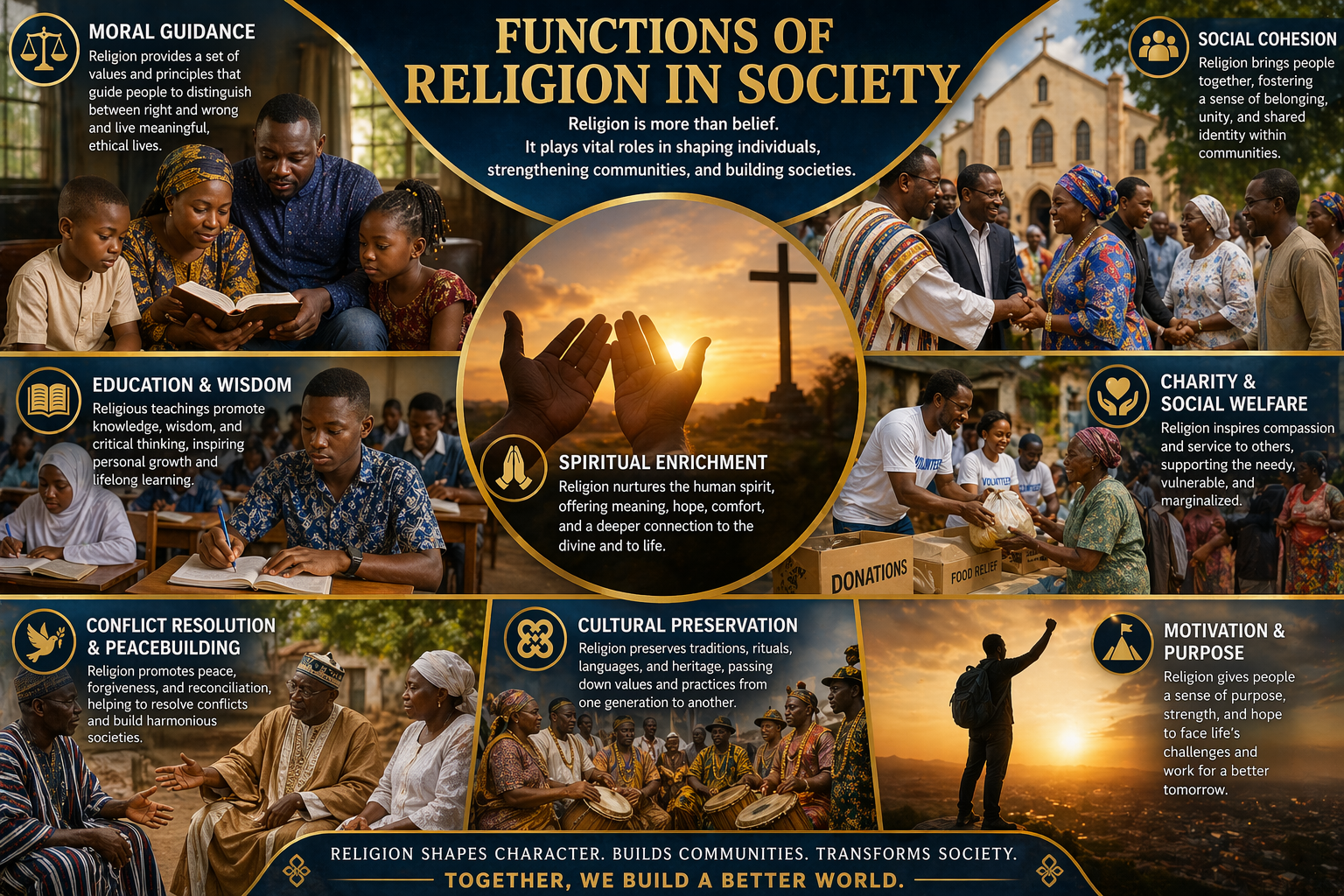
Many children attend religious services with their parents and siblings from a very young age. Through sermons, prayers, songs, scriptures, and rituals, they learn moral codes, beliefs about God and the supernatural, ideas about good and evil, sin and virtue, reward and punishment.
Religion shapes how children understand suffering, success, death, and the meaning of life. It also teaches discipline, community belonging, and ethical behavior. Whether Christian, Muslim, or Traditionalist, religion remains a powerful agent of socialization in Ghanaian society.
The Mass Media
In contemporary Ghana, the mass media surrounds the child. Television, radio, newspapers, films, music, and social media platforms play an increasingly significant role in shaping children’s knowledge and worldview.
Many Ghanaian homes have televisions, and children are exposed to news, movies, cartoons, advertisements, and talk shows from an early age. Newspapers and magazines—whether bought from the market or subscribed to by parents—also serve as sources of information. As children grow older, many begin to purchase and read newspapers on their own.
Today, a large number of Ghanaian children and adolescents own smartphones, particularly iPhones and Android devices, with access to the internet and social media. Through these platforms, they encounter global cultures, political ideas, fashion trends, music, and lifestyles far beyond their immediate communities.
The mass media can educate, inform, and inspire—but it can also misinform and distort reality. Its influence on socialization is therefore profound and unavoidable.
Traditional Authority (Chiefs, Queens, and Elders)
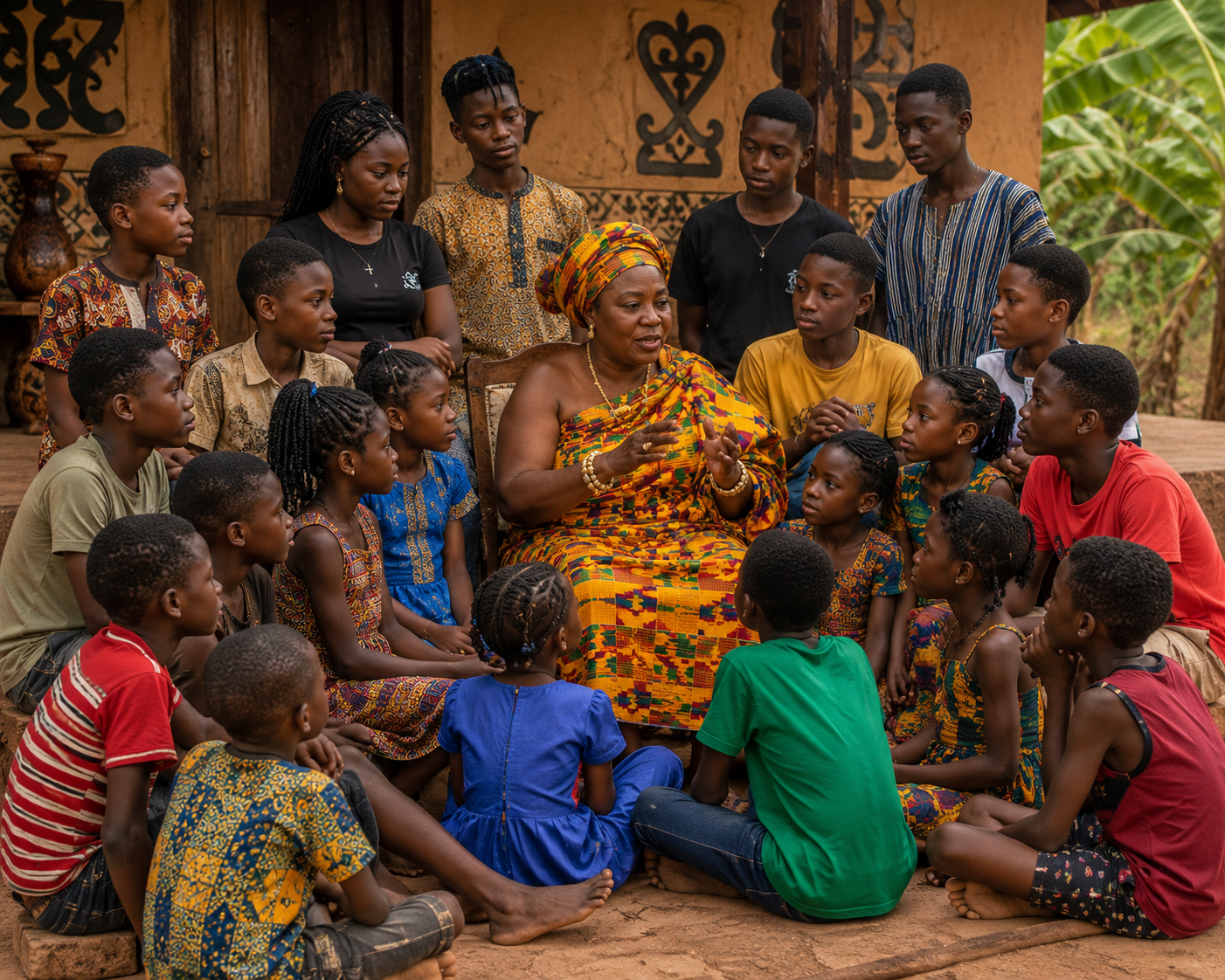
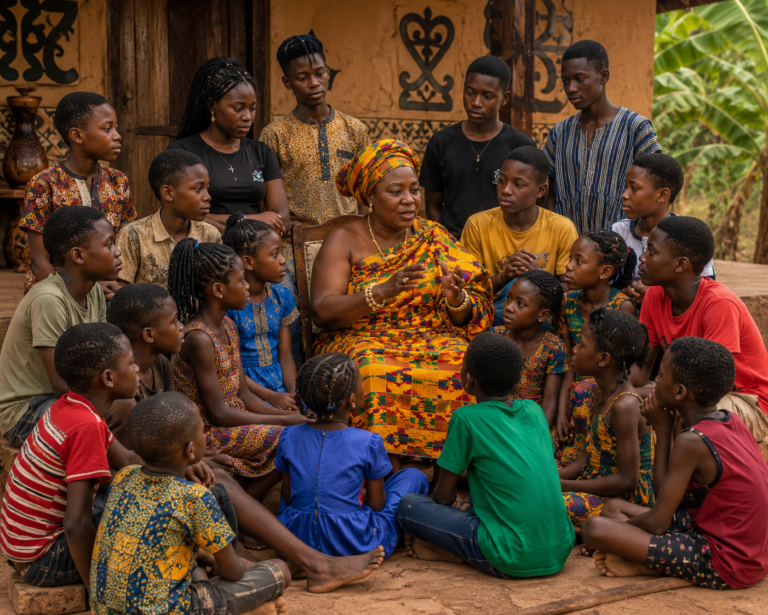
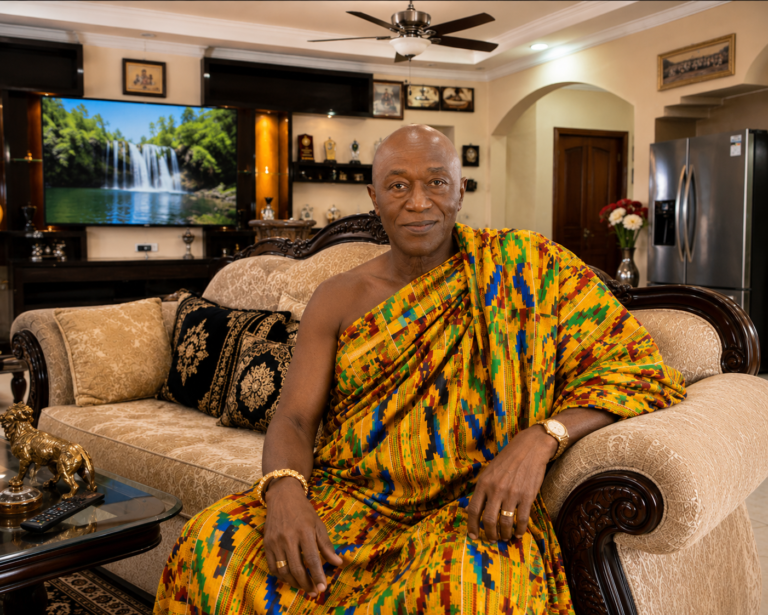
Traditional political institutions remain powerful agents of socialization in Ghanaian society. Chiefs (ahenfo), queen mothers (ahemaa), lineage heads (abusua mpanyinfo), and council elders play a central role in teaching children ideas about authority, hierarchy, respect, justice, and customary law. Through festivals, durbars, the arbitration of disputes, and public rituals, young people learn how power is exercised, legitimized, and constrained outside the structures of the modern state.
Ghanaian children also acquire knowledge of proverbs, oral history, clan identity, and ancestral values through sustained interaction with elders. In many communities, respect for elders is not an abstract moral principle but a daily practice that is continuously reinforced through praise, correction, and social sanctions.
Rites of Passage and Traditional Rituals
Rites of passage and traditional rituals function as powerful mechanisms of socialization in Ghanaian society. Initiation rites, puberty rites, naming ceremonies, funerals, and festivals mark critical transitions in the life course and communicate shared cultural expectations. Many Ghanaian children witness or experience some of these rituals. Events such as bragoro (puberty rites), outdooring ceremonies, and funerals teach children about gender roles, expectations of adulthood, sexual morality, lineage continuity, and obligations to both the living and the dead. Through observation and participation in these rituals, children gradually internalize what it means to be regarded as a “proper” man or woman in Ghanaian society.
Language and Oral Tradition
Sociologists recognize that language itself is a powerful agent of socialization. Through proverbs, folktales (anansesɛm), riddles, praise poetry, and everyday speech, Ghanaian children learn moral lessons, social expectations, and the underlying logic of their culture. Ananse stories, for example, teach children about cleverness, caution, survival, and the consequences of greed, arrogance, and deceit. Beyond content, the structure of Ghanaian languages also socializes children into norms of respect through the use of honorifics (nsammrane), avoidance speech, and age-based linguistic distinctions that regulate how one speaks to elders and authority figures.
The State and Political Institutions
The modern Ghanaian state serves as an important agent of socialization. Through civic education, national symbols, Independence Day celebrations, the national anthem, and public pledges, children are taught patriotism, national identity, and loyalty to the republic.
Institutions such as the Electoral Commission, the Commission on Human Rights and Administrative Justice (CHRAJ), and the National Commission for Civic Education (NCCE) explicitly aim to socialize citizens into democratic norms, constitutional values, and respect for the rule of law. Through these mechanisms, children learn what it means to belong to a nation-state and to participate in civic life.
The Economy and Work
Economic life and work practices do socialize children and adolescents in subtle but powerful ways. Ghanaian children who grow up in trading families often learn bargaining skills, customer relations, and entrepreneurial habits at an early age. Apprenticeship systems—such as carpentry, tailoring, hairdressing, and automobile mechanics—teach discipline, hierarchy, patience, endurance, and skill acquisition. In rural communities, farming socializes children into ideas about labor, seasonal rhythms, cooperation, and respect for the land as both a source of livelihood and a moral resource.
Popular Culture (Music, Film, Comedy, and Sports)
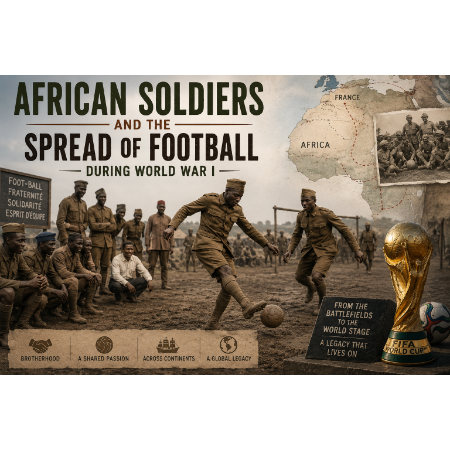
Popular culture is a major but often underestimated agent of socialization in Ghana. Highlife, hiplife, gospel music, Afrobeat, Ghanaian films, comedy skits, and sports transmit powerful messages about success, masculinity, femininity, wealth, romance, ambition, and morality. Through song lyrics, movie storylines, comedy routines, and celebrity lifestyles, young people learn what society admires, tolerates, mocks, or condemns. Football clubs, both local and international, also shape identity, loyalty, and a sense of collective belonging, particularly among the youth.
Migration and Transnational Influences
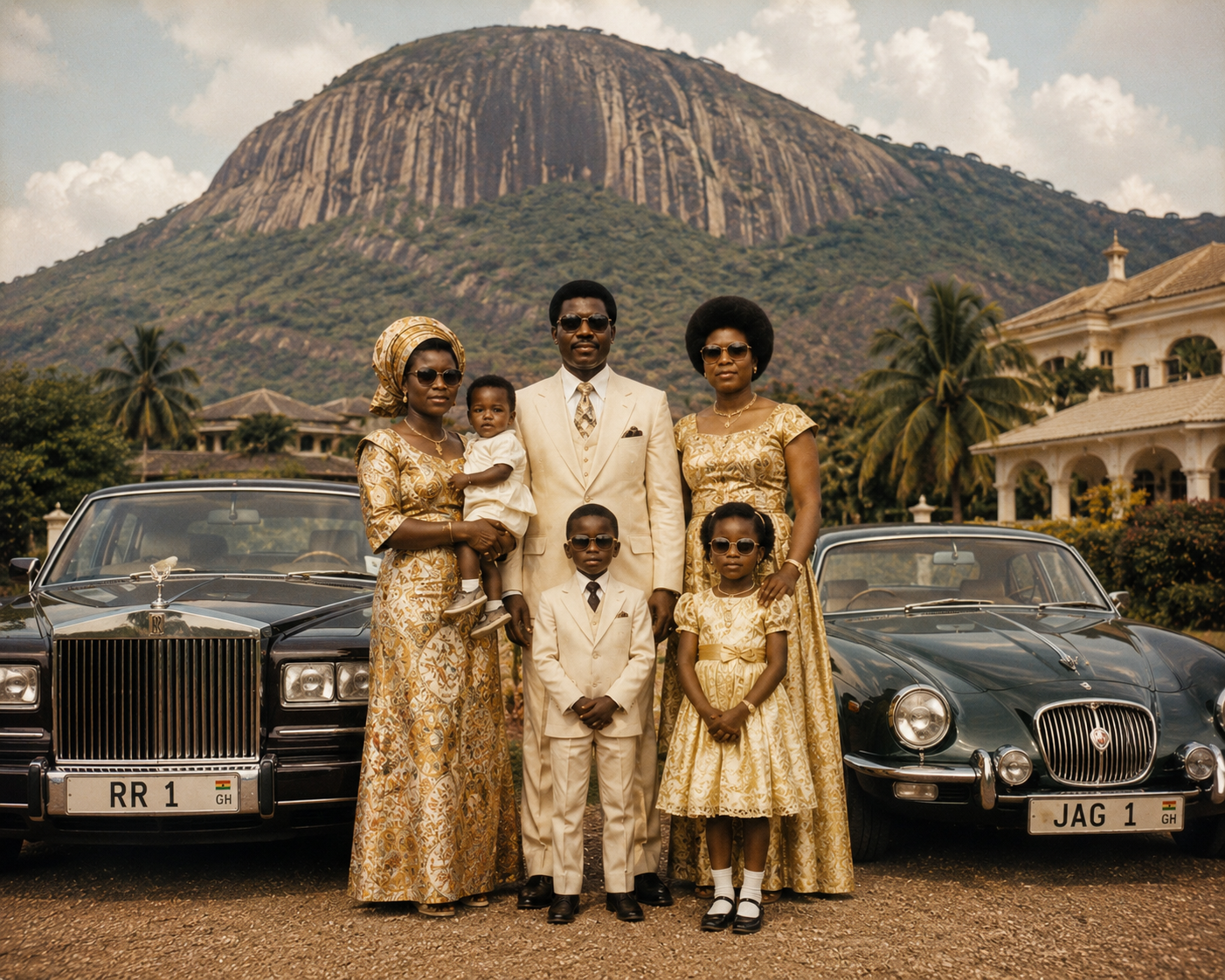
Migration increasingly shapes the socialization of children in Ghana. Children raised in transnational households—where parents live abroad or move between countries—are socialized into multiple cultural worlds simultaneously. Remittances, foreign accents, clothing styles, overseas media, and international travel influence aspirations, consumption patterns, and identity formation. Returnees from Europe, North America, and the Middle East often introduce new norms and practices that reshape local socialization processes and alter expectations about success, modernity, and social mobility.
Law, Discipline, and Informal Sanctions
Beyond formal institutions, informal social control plays a crucial role in socialization. Public reprimand, gossip, praise, shame, ridicule, and communal sanctions teach children the boundaries of acceptable behavior. In many Ghanaian communities, the fear of “what people will say” functions as a powerful regulator of conduct, reinforcing conformity to social norms even in the absence of formal punishment. Through these informal mechanisms, children learn accountability, self-restraint, and the social consequences of deviant behavior.
Conclusion
What children know is not accidental. It is the product of continuous social interaction with families, peers, schools, religious institutions, and the mass media. Socialization explains how society reproduces itself across generations—how values, beliefs, and norms are passed on, challenged, modified, and sometimes transformed. To understand what Ghanaian children know today, one must pay close attention to how they are socialized, by whom, and under what social conditions. In doing so, we gain deeper insight not only into children, but into the society that shapes them.