








In the past, Ghanaian marriages endured. Separation was rare and divorce uncommon. Today, however, marriages are dissolving at an alarming rate. The critical question is this: what can be done to fortify marriages and restore their durability?
Many of the challenges confronting contemporary marriages stem from the abandonment of practices that once stabilized marital unions. As the Akan wisely say, “Sankɔfa: wo were fi na wo san kɔfa a, yenkyi”—it is not taboo to return for what one has forgotten. To reduce the rising tide of divorce, Ghanaian society must retrieve and adapt some of these neglected practices.
Reviving Lineage Investigations
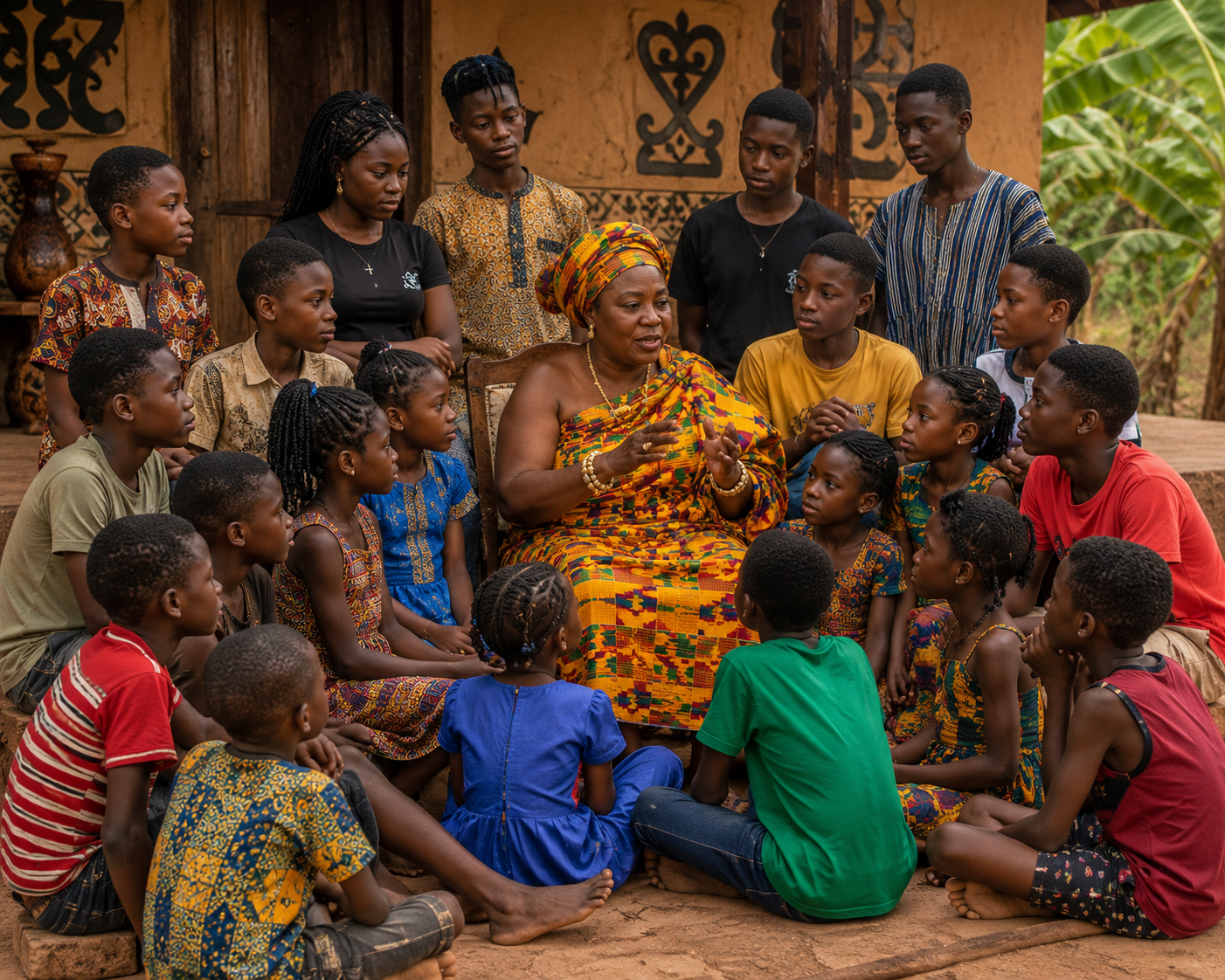
Traditionally, marriage was not a purely private affair between two individuals. Before a marriage proposal was accepted, the lineage of the prospective spouse conducted careful background investigations. Families sought to determine whether a lineage had a history of chronic alcoholism, thievery, witchcraft accusations, stigmatized illnesses such as leprosy or epilepsy, suicide, or serious moral lapses. They also assessed whether men in the lineage were industrious, responsible, and capable of providing for wives and children.
The woman’s lineage conducted similar inquiries into the man’s family, and the man’s family did the same regarding the woman. Only after both sides were satisfied was the marriage sanctioned. Today, many couples meet in urban settings, bypass lineage consent, and marry solely on romantic attachment. When unresolved family, behavioral, or moral issues later surface, marriages fracture. Reinstating lineage consultation—even in modified form—can prevent unions that are structurally fragile from the outset.
Reducing the Cost of Bridewealth
The escalating cost of bridewealth has become a major strain on marriages. Many men incur significant debt to meet family demands and enter marriage financially encumbered. This economic pressure often fuels conflict between spouses. Moderating bridewealth expectations would reduce financial stress and allow marriages to begin on a more stable footing.
Curtailing Excessive Spending on Weddings
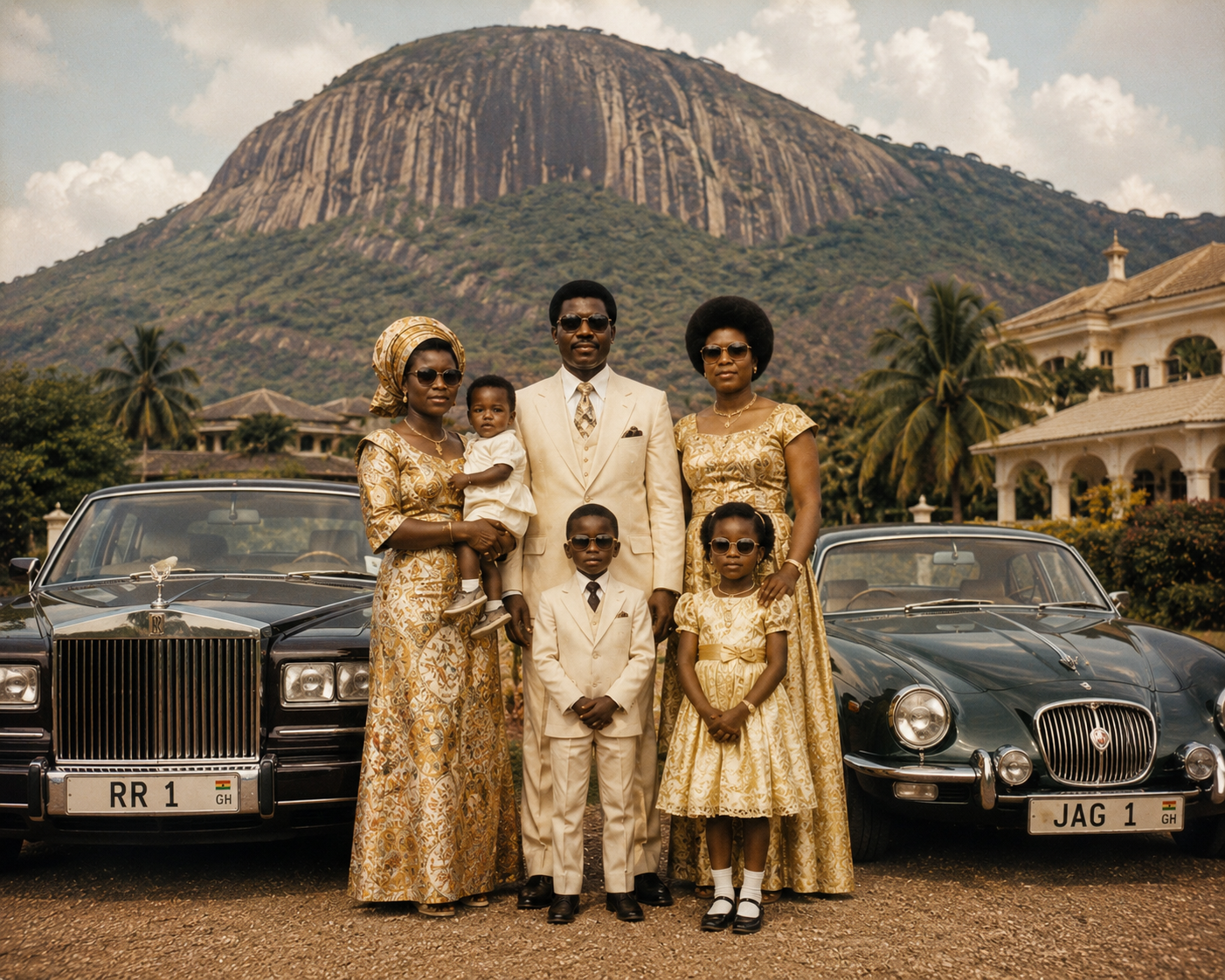
Engagements and weddings have become lavish spectacles, frequently financed through loans. Couples begin married life burdened by debt, which quickly generates tension and resentment. Emphasizing modesty and prioritizing marital sustainability over public display would significantly reduce post-marital conflict.
Balancing Religious Commitments with Family Life
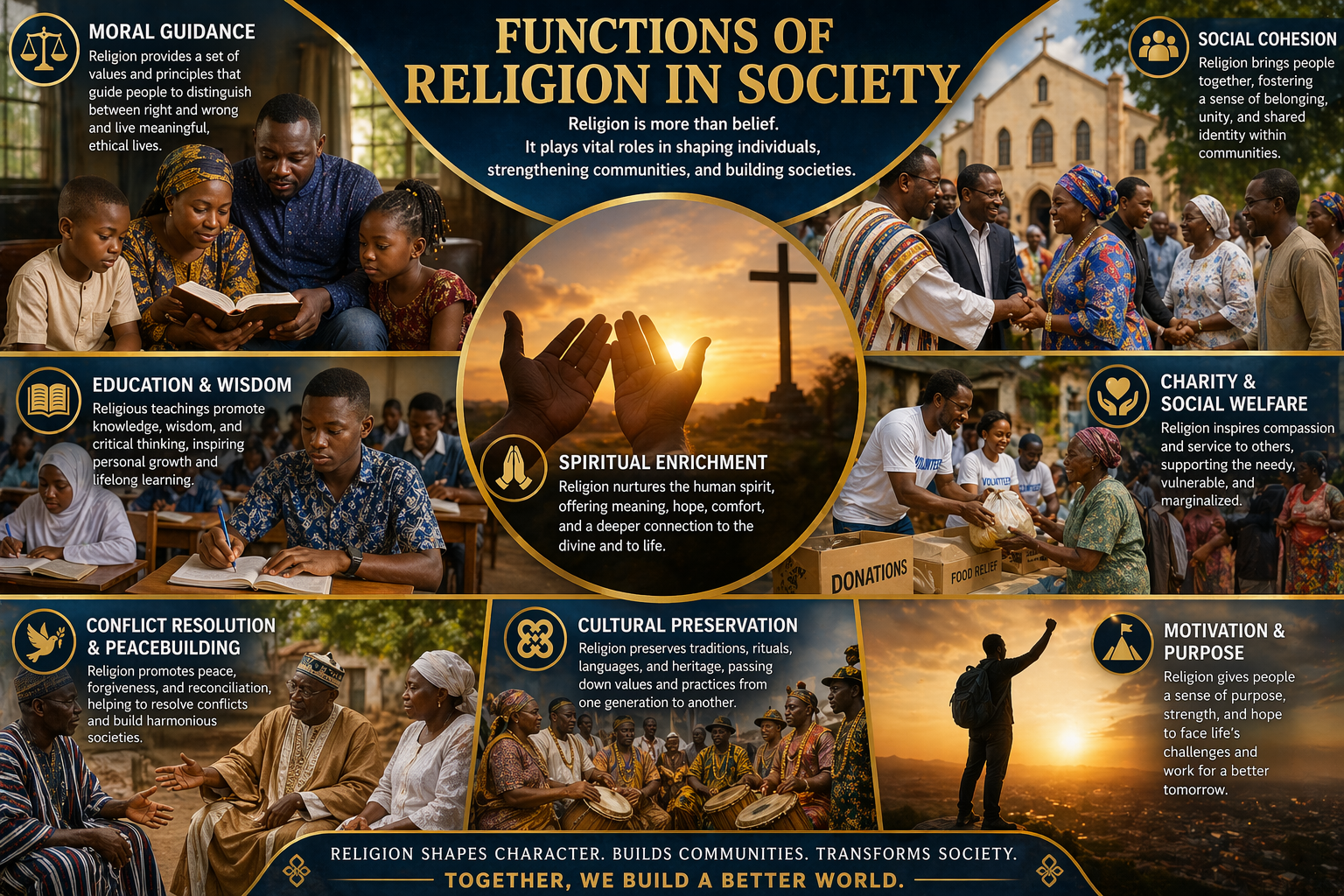
Religious devotion plays an important role in Ghanaian life. However, excessive time spent in churches and religious activities—especially when it diminishes attention to spouses, children, and household responsibilities—can destabilize marriages. A healthier balance between religious participation and family obligations is essential.
Limiting Cell Phone Use in the Home
The proliferation of mobile phones has paradoxically reduced communication within marriages. When spouses are physically present but emotionally absent due to excessive phone use, intimacy erodes. Conscious efforts to limit phone use at home can restore meaningful interaction and strengthen marital bonds.
Redefining Marriage as Partnership, Not Ownership
Some men continue to believe that paying bridewealth confers ownership over a wife and entitles them to unquestioned obedience. This worldview is increasingly incompatible with contemporary realities. Marriage today requires partnership, mutual respect, and shared decision-making. Recognizing women as equal partners rather than subordinates is essential for marital stability.
Replacing Absent Lineage Mediation with Professional Counseling
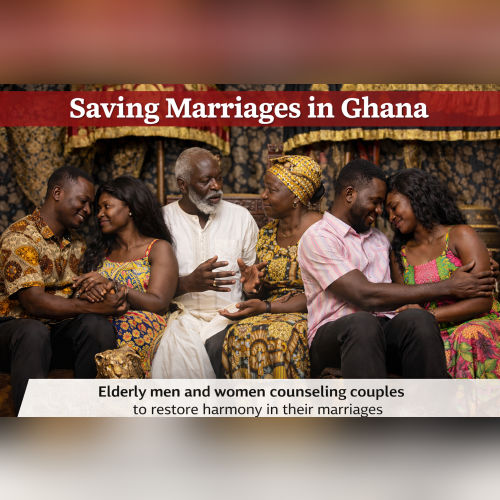
In the past, lineage elders intervened when marital conflicts arose, offering counsel and mediation. With many couples now living far from their families, this support system has weakened. Where lineage counseling is unavailable, professional marriage counselors should fill the gap. Early intervention can prevent minor disagreements from escalating into irreparable breakdowns.
In sum, reducing divorce in Ghana does not require abandoning modern life, but rather reclaiming and adapting the social wisdom that once sustained marriage. By blending cultural insight with contemporary realities, Ghanaian marriages can once again become institutions of endurance rather than impermanence.
Conclusion
Marriages in Ghana are not failing because love has disappeared; they are failing because the social structures that once sustained love have collapsed.
If we continue to treat marriage as a private experiment rather than a collective responsibility, divorces will keep rising. The solution is not nostalgia, but Sankɔfa—retrieving the wisdom of lineage involvement, financial moderation, mutual respect, and timely counseling, and adapting it to modern life.
Strong marriages are not accidents. They are carefully built, socially supported, and culturally anchored. If Ghana wants enduring unions again, it must stop abandoning the very practices that once made marriages last.