






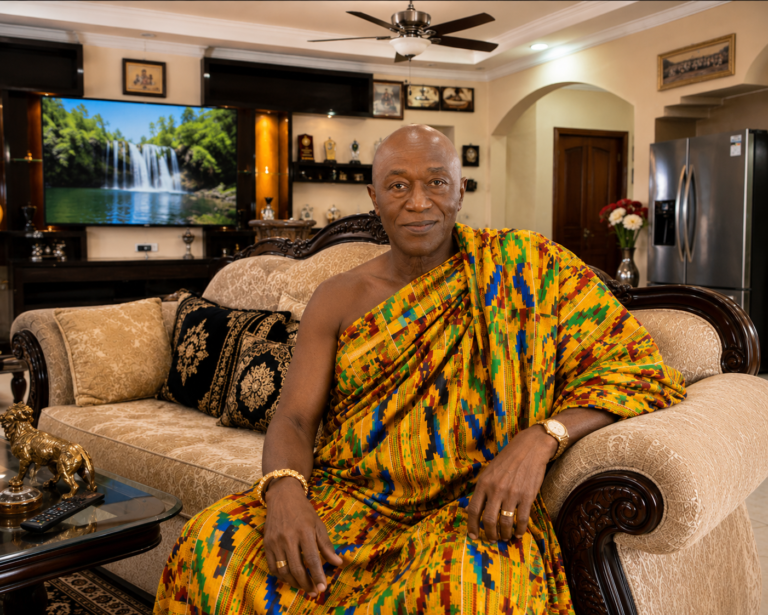
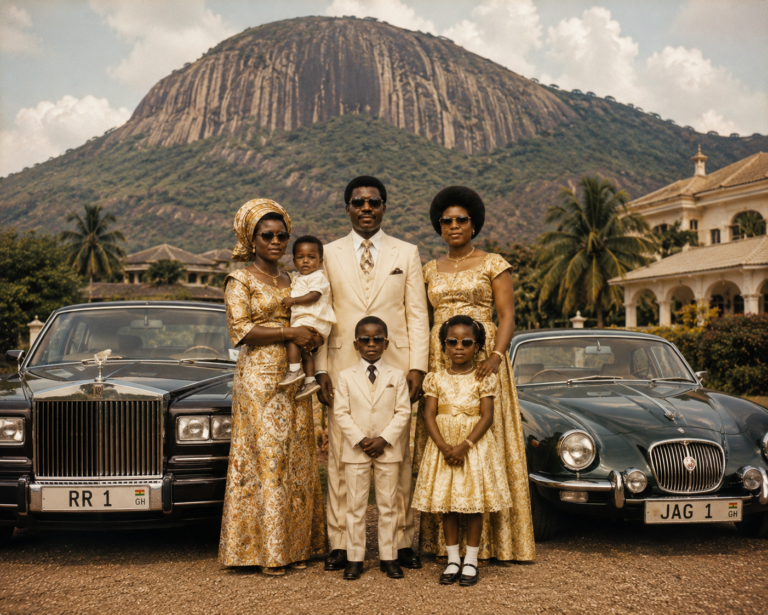



Almost everyone dreams of success. From childhood, we are taught to aspire, to achieve, and to “make it” in life. Parents encourage their children to succeed, communities celebrate successful people, and society often rewards those it considers accomplished. But an important question remains: What does success really mean—and who should be considered a successful person in Ghana today?
For many Ghanaians, success is associated with education. Holding certificates such as a bachelor’s degree, a master’s degree, or a doctorate is widely seen as a sign of achievement. Higher education symbolizes discipline, intelligence, and social mobility. Closely linked to this is a professional qualification—becoming a lawyer, doctor, accountant, nurse, or other respected professional. These careers carry prestige and are often equated with having “arrived” in life.
Another powerful marker of success is employment and income. A stable, well-paying job that brings financial security is a major aspiration for many. In a society where unemployment and underemployment are real concerns, earning a good income is seen not just as personal achievement but as the ability to support family members and meet social obligations.
Health also features prominently in how success is understood. A person who enjoys good health, free from chronic illness, is often described as successful. After all, wealth and education lose much of their meaning without physical well-being. Closely related to this is the emphasis some place on physical appearance—a beautiful face, a well-proportioned body, or muscular build—reflecting modern ideals shaped by media and popular culture.
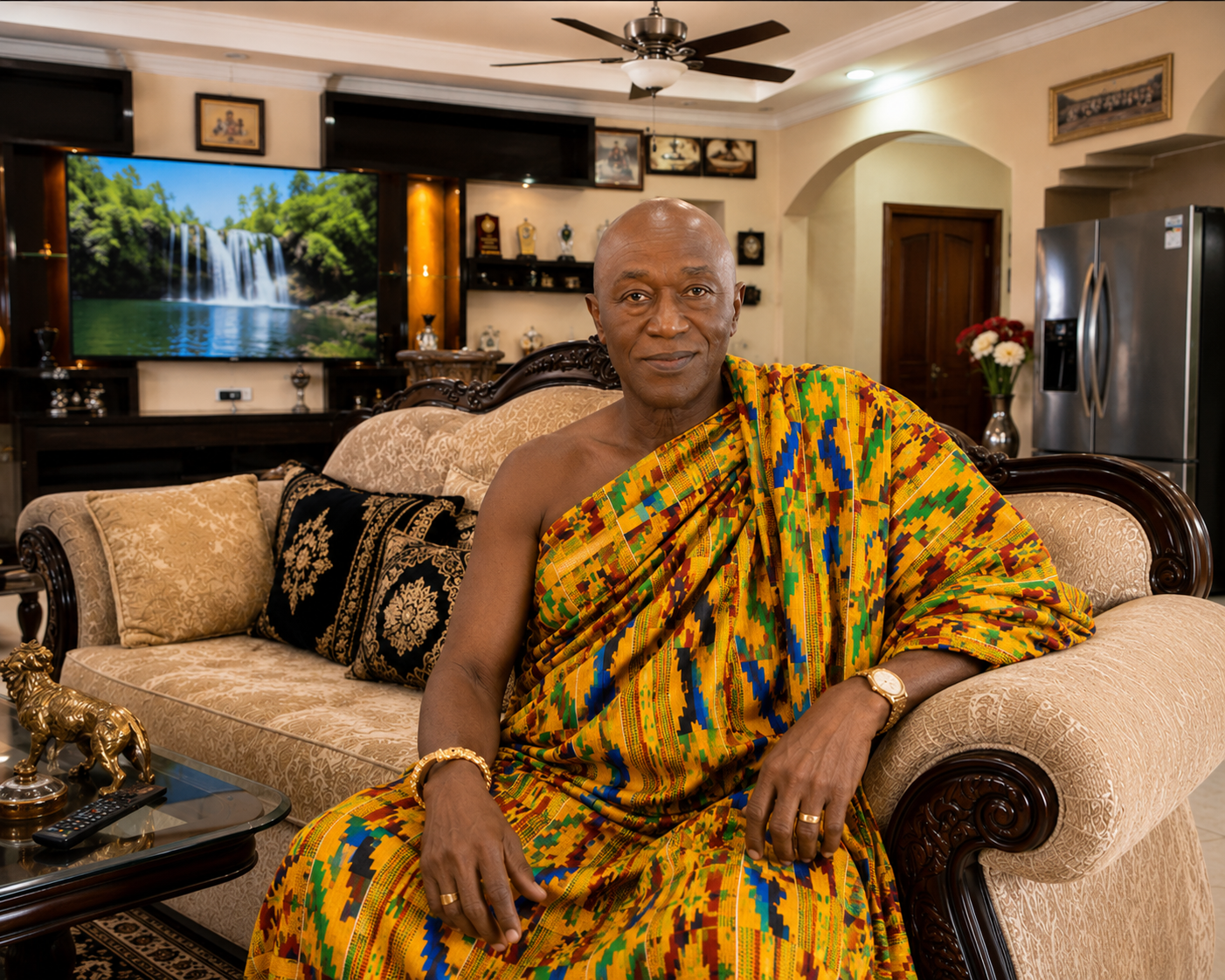
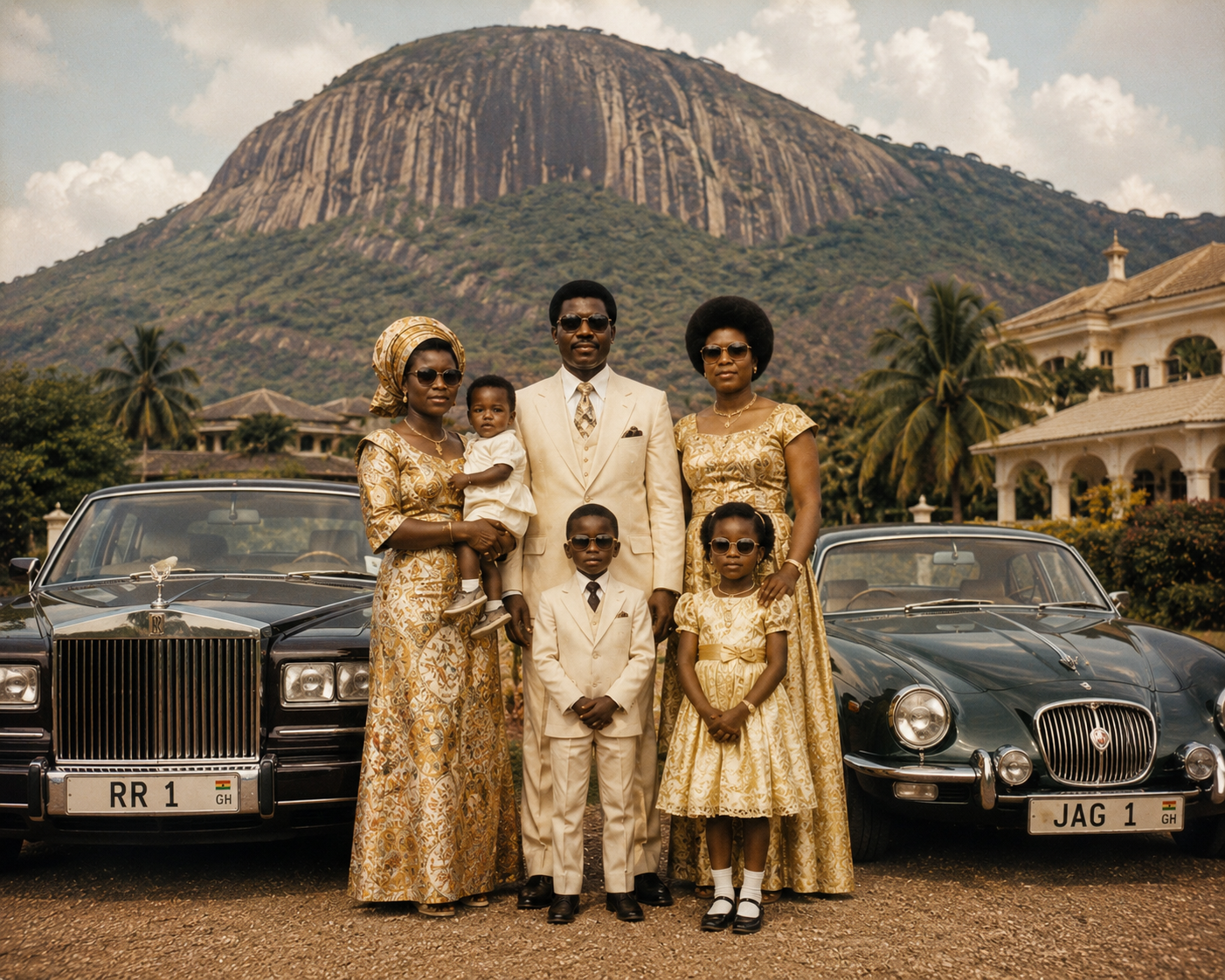
For some, success is measured directly in money and material possessions. Owning houses, farms, and other property is a visible sign of achievement. Driving an expensive, flashy car—such as a BMW or Mercedes-Benz—has become a public symbol of success in urban Ghana. These outward signs often attract admiration and respect, even when little is known about how they were acquired.
Marriage and family life also shape ideas of success. Being married to a beautiful wife or a handsome husband, having the desired number of children, and raising successful children are deeply valued. In some contexts, especially for men, having multiple wives has traditionally been associated with wealth, status, and power. Likewise, having many friends, being popular, and enjoying a wide social network are often taken as signs that one is successful and respected.
Power and influence further define success in the public imagination. Holding political office, having authority, or wielding influence within one’s community can elevate a person’s status. Entrepreneurs who own their own businesses and employ others are also widely admired for their independence and initiative.
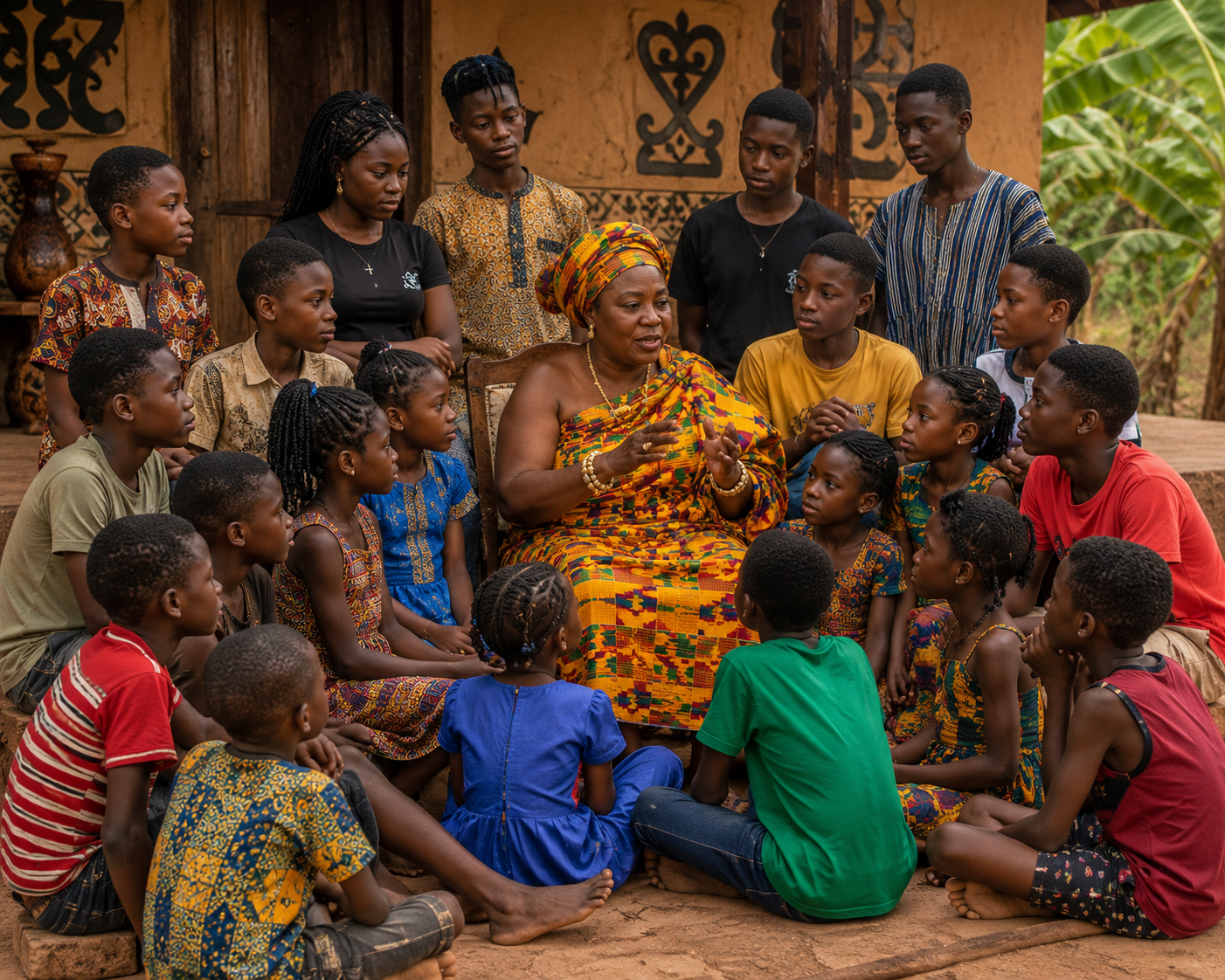
Yet for many Ghanaians, success is not only material or social—it is also spiritual. Having a good relationship with God, living a morally upright life, and enjoying peace of mind are seen as true indicators of success. A long life, lived with dignity and purpose, is often regarded as the ultimate blessing.

These diverse measures of success reveal an important truth: success is not a one-dimensional concept. What society celebrates publicly may not always align with what brings fulfillment privately. Wealth without health, power without peace, or popularity without integrity can leave individuals feeling empty.
Perhaps the challenge for modern Ghana is to broaden our definition of success—to value not only money, status, and appearance, but also character, contribution, contentment, and compassion. A truly successful person may live responsibly, support others, find meaning in work, maintain good relationships, and live in harmony with self, society, and God.
Ultimately, success is deeply personal. Society may offer symbols and standards, but each individual must decide what success truly means to them—and pursue it with wisdom, balance, and integrity.