



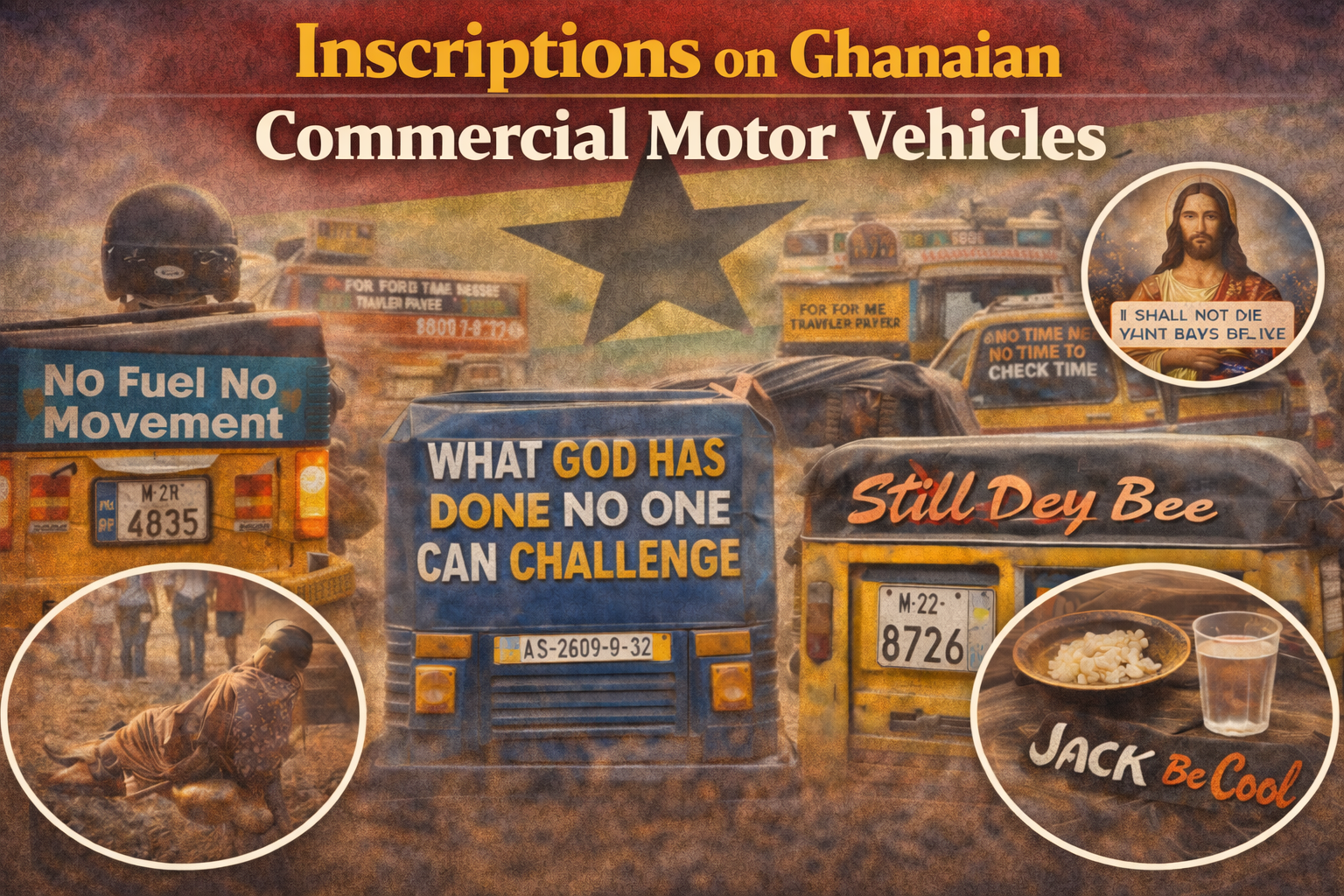
A visitor to Ghana will quickly notice something striking on the roads: commercial motor vehicles speak. Tro-tros, buses, taxis, and long-distance vehicles often carry inscriptions—short messages painted boldly on the body of the vehicle. These inscriptions may appear on the back of the vehicle, across the windscreen, or on a signboard fixed to the front.
To the casual observer, these may look like decorative slogans. To the sociologist, linguist, or cultural observer, they are mobile texts—moving expressions of belief, identity, humor, faith, fear, and wisdom.
A Linguistic Landscape on Wheels
The inscriptions on Ghanaian commercial vehicles reflect the country’s linguistic diversity. Messages appear in several Ghanaian and international languages, including Akan (Twi), Ga, Ewe, Hausa, Arabic phrases, and English.
The choice of language often reflects the driver’s ethnic background, religious affiliation, target passengers, or the route the vehicle operates. A tro-tro operating between rural Akan-speaking communities may display Twi inscriptions, while vehicles on urban routes often favor English or multilingual expressions.
These inscriptions turn Ghana’s roads into a living linguistic landscape, where language moves with people and commerce.
Religious and Spiritual Messages
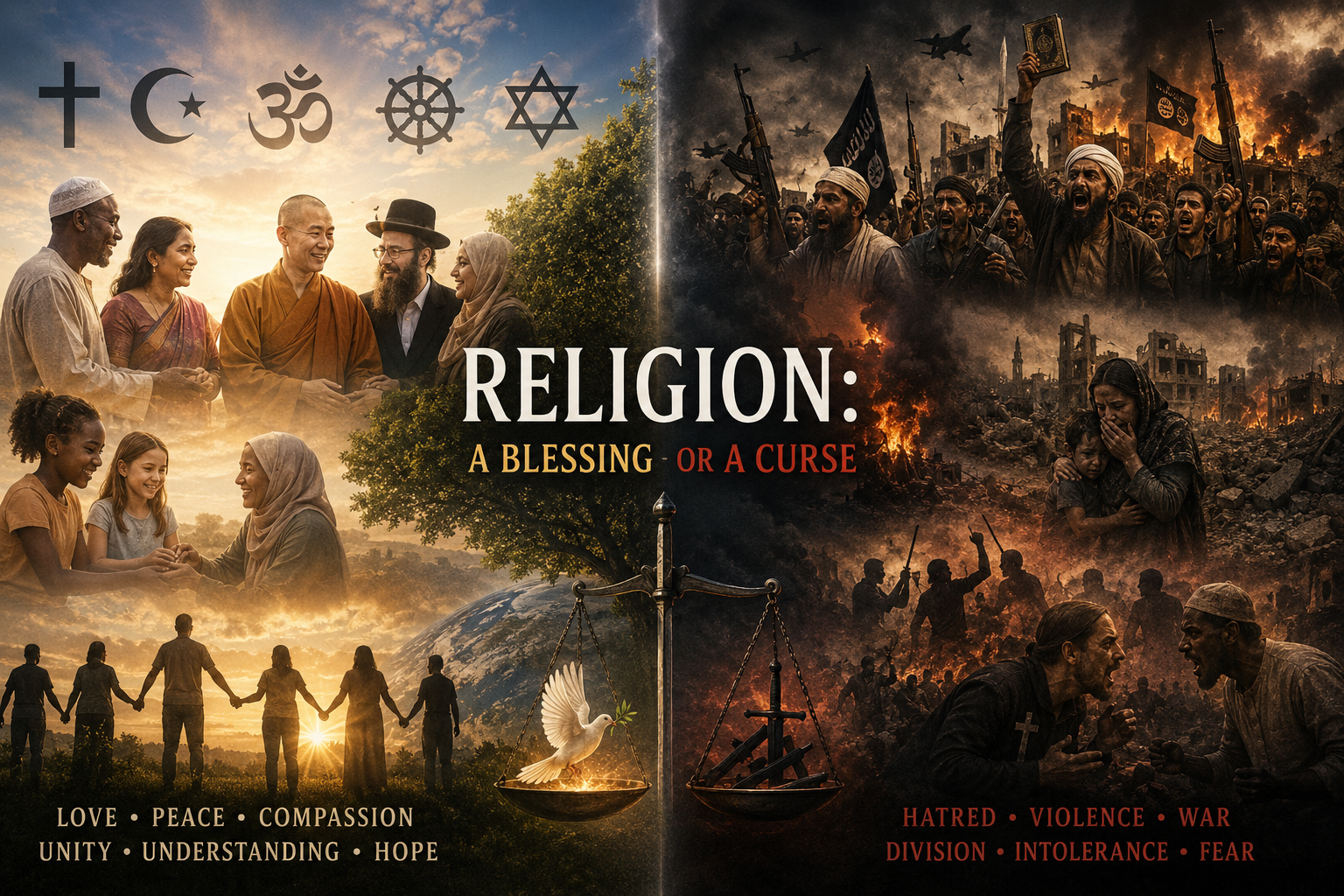
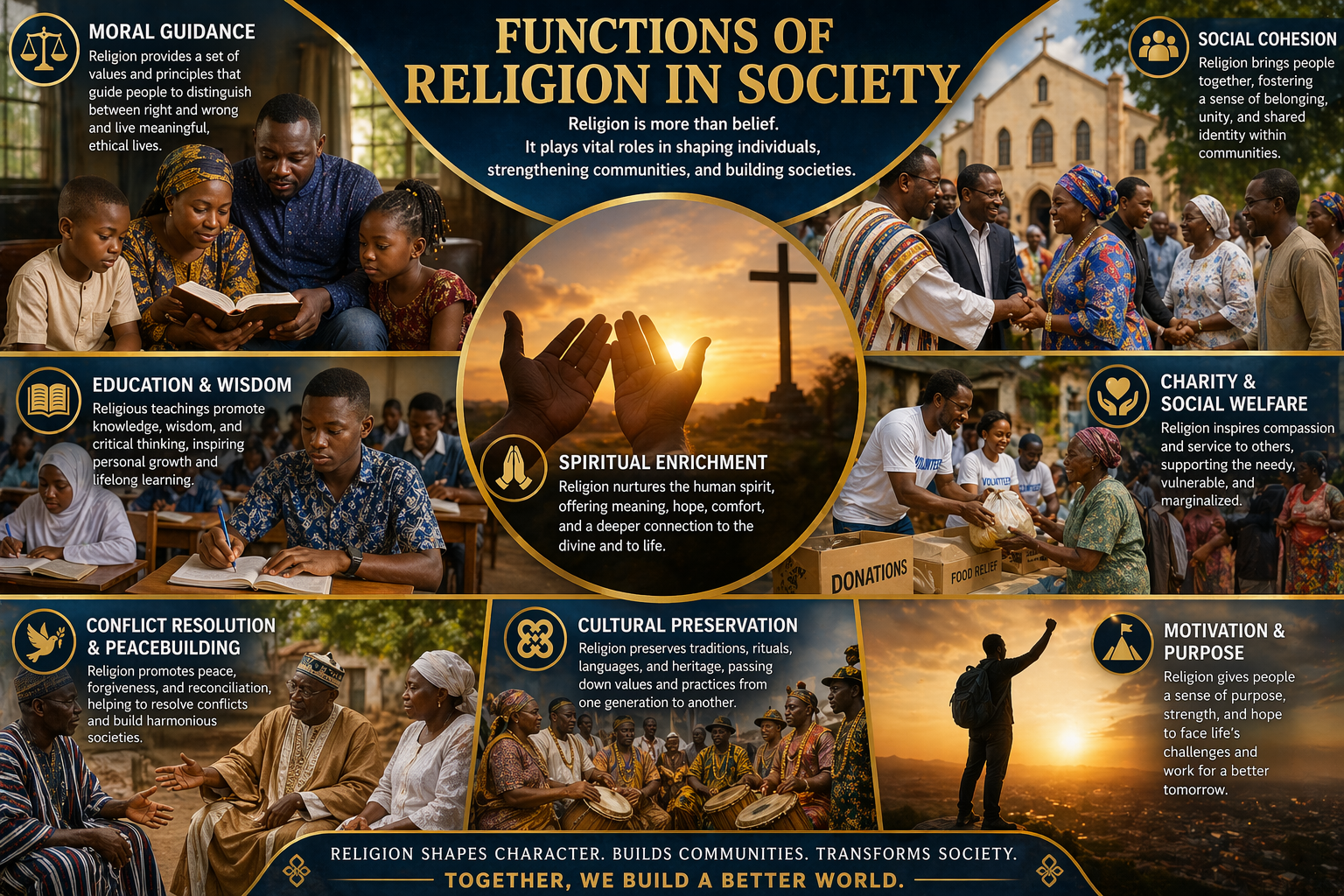
Religion is one of the most dominant themes found on vehicle inscriptions. Ghana is a multi-religious society, with Christianity, Islam, and African Traditional Religion coexisting side by side. Many inscriptions reflect faith, protection, and divine dependence.
Christian-themed inscriptions include phrases such as:
- Psalm 23
- Psalm 91
- The Lord Is My Shepherd
- God Is Good
- Blessed by God
- Judgement Day
- God Save Us
Muslim expressions are equally visible, including:
- Allahu Akbar
- Nagode Allah
- In Shaa Allah
For many drivers, these inscriptions are not mere decoration. They are spiritual shields, public confessions of faith, and appeals for divine protection on dangerous roads.
Messages of Gratitude
Some inscriptions express thanksgiving—often after surviving hardship, illness, accidents, or economic struggle. Common examples include:
- Thank You Lord
- Medaase Nyame
- Acquaye Allah
These messages suggest personal stories of survival and gratitude, turning the vehicle into a public testimony.
Reflections on Life
Many inscriptions communicate philosophical reflections on life, success, and human struggle. Examples include:
- Good Name Is Better Than Riches
- Life Is War
- No Condition Is Permanent
Such messages reflect the lived realities of many drivers—economic hardship, perseverance, moral reflection, and resilience in the face of uncertainty.
Advice and Motivation
Another common category consists of advice, caution, and motivation, directed not only at passengers but at society at large. These include:
- Be Patient
- Never Give Up
- Life Is Not a Race
- Hard Work Pays
- Nothing Is Impossible with God
- Fear Humans
These messages function as moral signposts, warning against envy, haste, betrayal, and despair. The phrase “Fear Humans”, in particular, reflects deep social mistrust and lived experience rather than abstract philosophy.
Vehicles as Cultural Texts
Inscriptions on Ghanaian commercial vehicles transform ordinary transport into cultural texts. They communicate belief systems, social values, humor, and survival strategies. They also serve as conversation starters, moments of reflection, and sources of comfort or amusement during long journeys.
Unlike billboards or advertisements, these inscriptions are personal and unscripted. They come from drivers, owners, and operators who use language to make sense of life and risk on Ghana’s roads.
A Call to Observe
If you live in Ghana and have never paid attention to these inscriptions, take a moment the next time you step outside. Read the messages on the vehicles that pass you by.
If you do not live in Ghana, then the next time you visit, watch the roads closely. You will discover that Ghanaian vehicles do more than transport people—they carry stories, prayers, warnings, and wisdom, written boldly for all to see.
On Ghana’s roads, language does not stand still. It moves.