










An observable feature of Ghanaian social life is a recurring tendency toward silence in moments that might otherwise call for resistance or confrontation. Even when individuals experience clear forms of mistreatment, there is often a strong social and cultural pull toward restraint rather than action. People are frequently encouraged to endure, to exercise patience, and to entrust justice to divine intervention rather than to pursue immediate redress.
This orientation is deeply embedded in everyday moral language and proverbial expressions. Common sayings such as “enye hwee” (it is nothing or it is okay), “fa kyɛ” (forgive), and “Onyame bɛyɛ” (God will act) reinforce a disposition toward tolerance, forgiveness, and spiritual reliance. While these expressions embody admirable virtues—patience, humility, and faith—they can also function as mechanisms that normalize suffering and discourage resistance, even in situations that warrant decisive intervention.
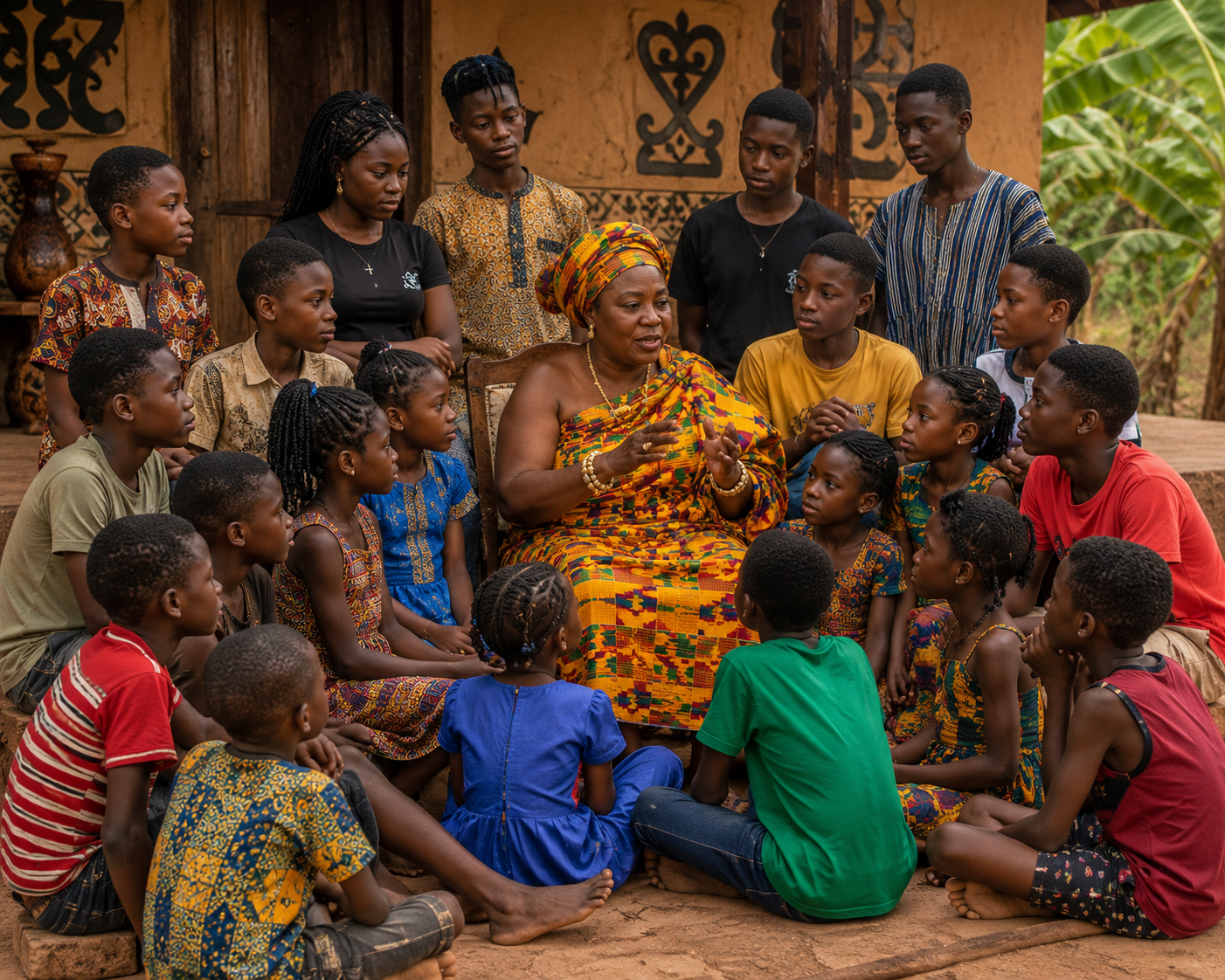
Closely related to this ethos is the strong respect for hierarchy and authority that characterizes Ghanaian society. Social relations are significantly shaped by age, and the system often operates along gerontocratic lines. Younger individuals are expected to defer to elders, sometimes to the extent of avoiding questioning or challenging their behavior. In practice, even minimal age differences can establish a hierarchy that discourages open criticism or dissent. Although contemporary social changes—urbanization, education, and globalization—are gradually reshaping these norms, their influence remains substantial.
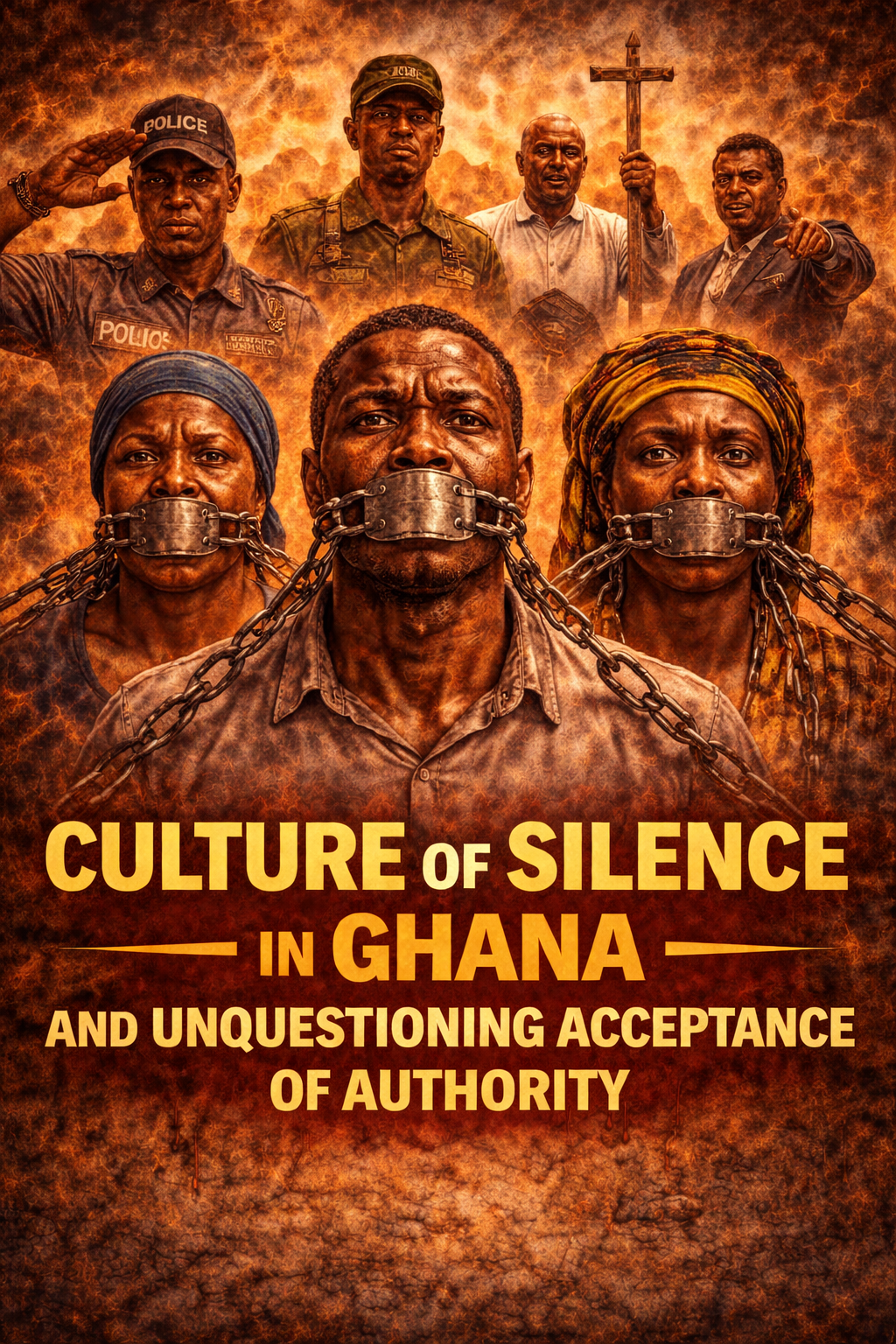
The implications of these cultural patterns are visible across multiple domains of social life. Political leaders may exploit public patience and religious trust, making promises that go unfulfilled without facing sustained accountability. Within families and communities, power imbalances can persist, with younger or less powerful individuals enduring mistreatment rather than confronting it. Traditional authorities, including chiefs, may also operate with limited scrutiny due to entrenched expectations of deference.
In more sensitive areas, such as sexual violence, the consequences can be particularly troubling. Victims and their families sometimes avoid formal reporting to law enforcement, opting instead for informal or private resolutions. This tendency not only undermines justice but also perpetuates cycles of abuse by shielding perpetrators from legal consequences.
Similarly, in the realm of labor and governance, workers may endure prolonged delays in payment or unfavorable conditions without sustained collective action. The broader pattern suggests a social environment in which endurance is valorized, but resistance is often muted.
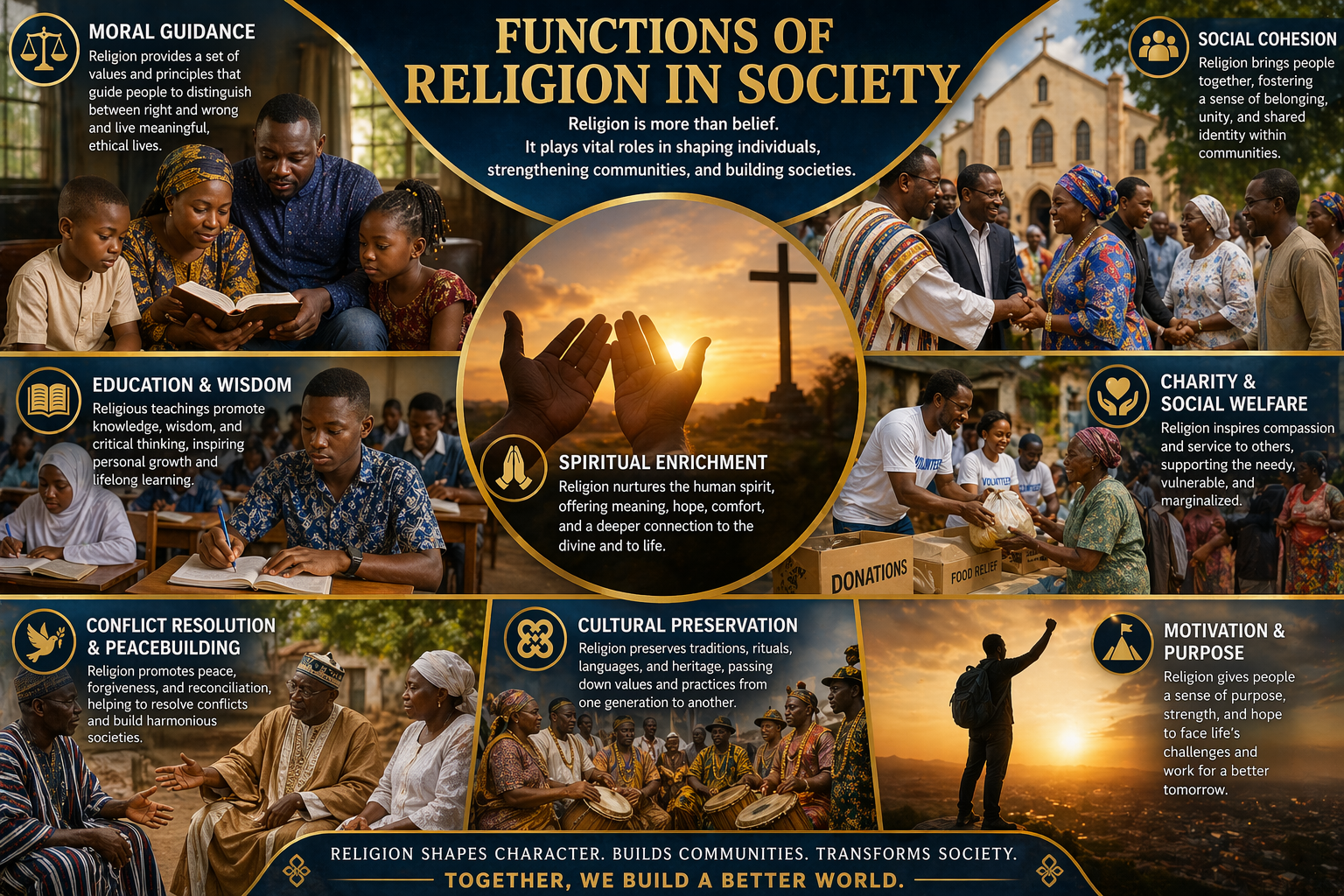
To be clear, these cultural tendencies are not without value. The emphasis on forgiveness, respect, and faith contributes to social cohesion and interpersonal harmony. However, when these virtues are extended to the point of enabling injustice or discouraging accountability, they can become counterproductive.
A shift in balance may therefore be necessary—one that preserves the ethical strengths of Ghanaian culture while fostering a greater willingness to question, to demand accountability, and to seek justice through appropriate institutional channels. Without such recalibration, the cycle of endurance without redress risks continuing, with significant implications for social progress and equity.