



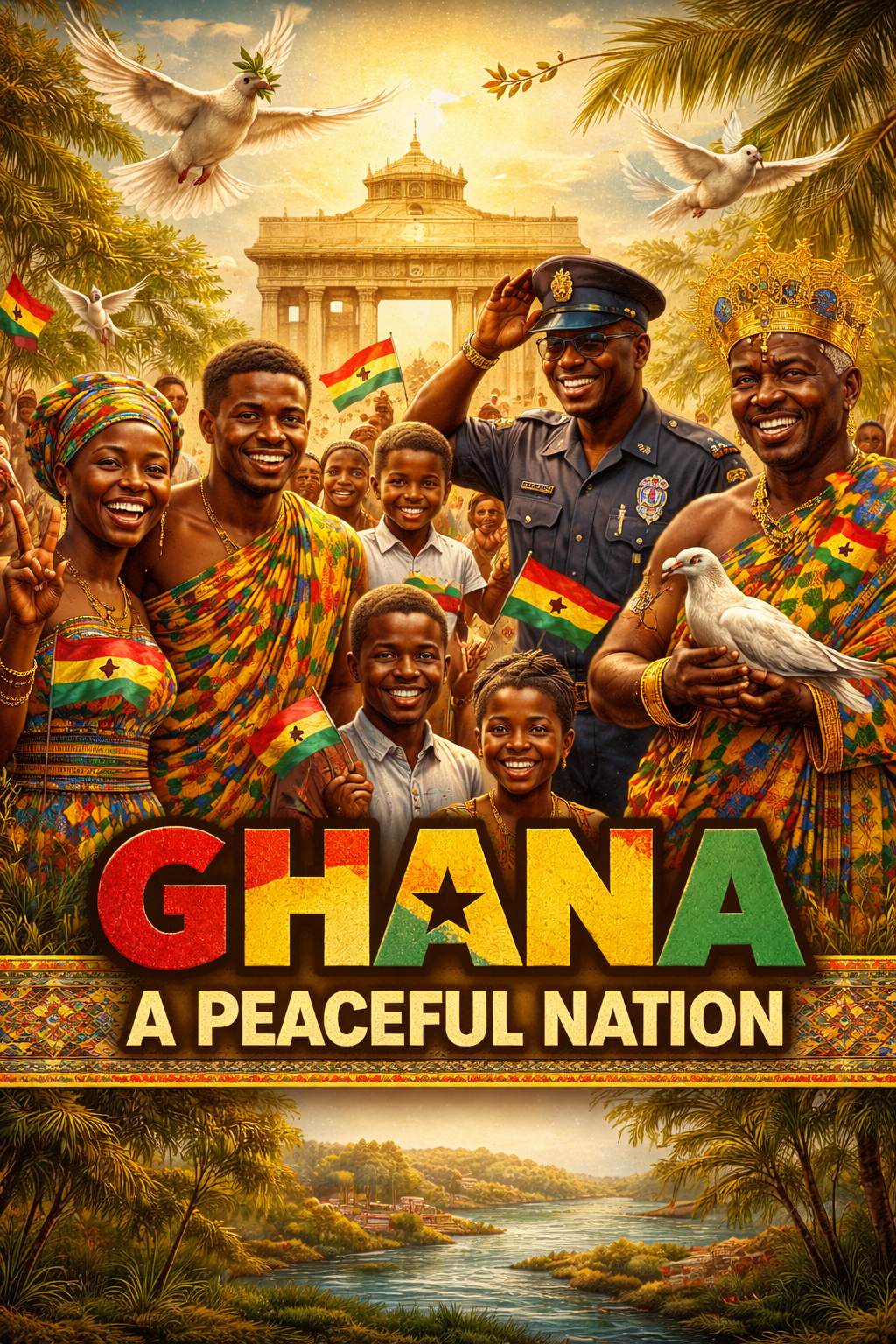
A Nation Defined by Peace
In a region and continent that have, at various historical moments, been scarred by conflict and instability, Ghana stands out as a compelling example of relative peace. Since gaining independence in 1957, the country has largely avoided the large-scale civil wars that have afflicted some of its neighbors. While no society is entirely devoid of tension—occasional ethnic skirmishes, particularly in the northern regions, remind us of underlying fault lines—Ghana’s overall stability remains remarkable.
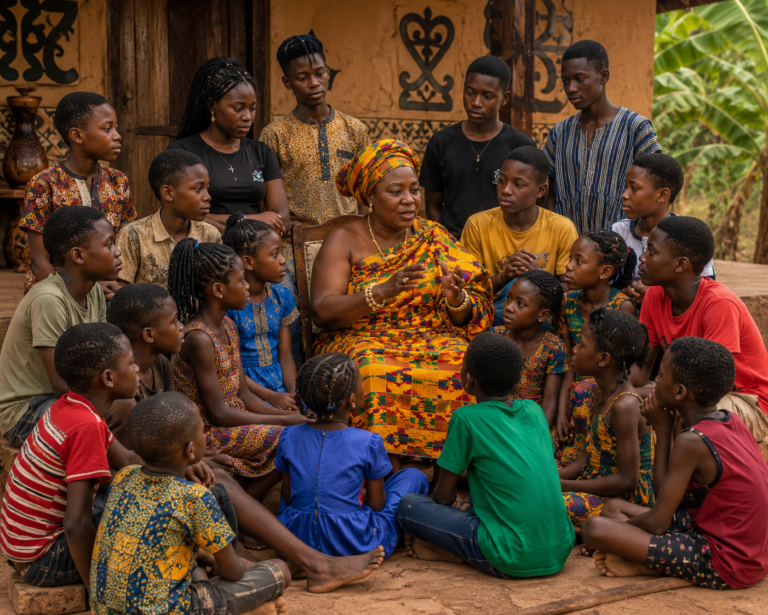
Among the Akan, the largest ethnic group in the country, peace is expressed through the word asomdwee. It is more than a linguistic expression; it is a deeply embedded cultural value. Yet Ghana’s peace is not the property of one group alone. It is a national achievement, built over decades through deliberate social, cultural, and political processes.
The question, then, is both simple and profound: What accounts for Ghana’s relative peace, and how can it be sustained?
The Power of a Shared Language
One important factor lies in communication. Ghana is home to between 50 and 75 ethnic groups, with dozens of languages spoken across the country. In many such contexts, linguistic diversity can become a barrier to cohesion. Ghana, however, has benefited from the widespread use of Akan as a lingua franca. Nearly 90 percent of the population can speak or understand it. This shared linguistic ground has facilitated everyday interaction across ethnic lines, reducing suspicion and enabling cooperation. When people can speak to one another, they are far less likely to resort to hostility.
From Ethnic Markers to National Identity
Equally significant is the transformation of ethnic identity in the public sphere. In earlier periods, some ethnic groups marked identity through distinctive facial scarification. These markings made ethnic difference visible and, at times, sharpened divisions. Under the leadership of Kwame Nkrumah, Ghana’s first president, such practices declined significantly. Nkrumah, himself from the minority Nzema group, resisted the politicization of ethnicity and instead championed a unifying national identity. Today, particularly in urban areas, Ghanaians are more likely to identify first as citizens of a shared nation rather than as members of distinct ethnic enclaves.
Urbanization and Interethnic Bonds
Urbanization has further strengthened this shift. As people have migrated from rural, ethnically homogeneous communities into cities such as Accra and Kumasi, they have encountered—and adapted to—diversity in everyday life. One of the most powerful outcomes of this process has been the rise in interethnic marriages. When families are formed across ethnic lines, social boundaries become porous. Kinship networks expand beyond narrow identities, creating webs of mutual obligation and understanding. Over time, these relationships help to neutralize the “us versus them” mentality that often fuels conflict.
Religious Tolerance as a Social Foundation
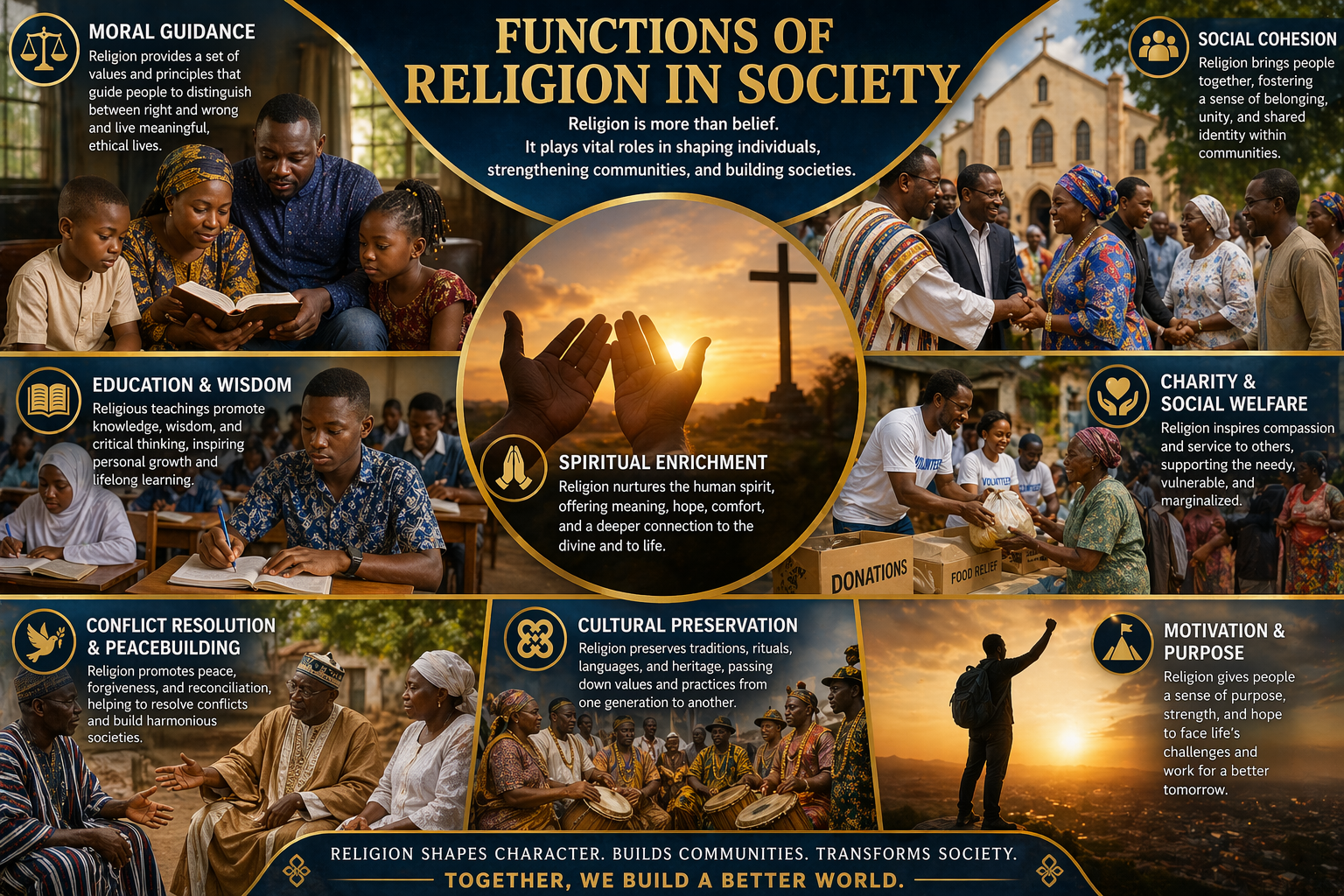
Religion, too, plays a critical role in Ghana’s peaceful coexistence. The country is religiously diverse: roughly 70 percent of the population is Christian, about 20 percent Muslim, and a smaller percentage adheres to traditional African religions. Yet unlike in many parts of the world where religious plurality breeds tension, Ghana has cultivated a culture of tolerance. It is not uncommon for individuals to participate in multiple religious traditions simultaneously, blending Christian or Islamic practices with indigenous beliefs. This fluidity reduces rigid boundaries and fosters mutual respect.
The state has reinforced this ethos through symbolic and practical measures. Both Christian and Islamic holidays are recognized as national holidays, and celebrations are widely shared across religious lines. At major national events, it is customary for leaders from different faiths to offer prayers, signaling inclusion at the highest levels of public life. These practices are not merely ceremonial; they institutionalize respect and normalize coexistence.
Leadership and the Legacy of Unity
None of this is accidental. Leadership has mattered. Kwame Nkrumah’s early vision of unity—both within Ghana and across Africa—set a tone that continues to resonate. His refusal to mobilize ethnic loyalties for political gain established an important precedent. Subsequent leaders, while not without flaws, have largely operated within a framework that prioritizes national cohesion over sectional interests.
Guarding the Future of Peace
Still, Ghana’s peace should not be taken for granted. The sporadic conflicts in the north, often rooted in chieftaincy disputes or competition over land and resources, serve as reminders that peace requires constant maintenance. Economic inequality, youth unemployment, and political polarization all carry the potential to strain the social fabric if left unaddressed.
To sustain its peace, Ghana must continue to invest in inclusive development, ensuring that no region or group feels marginalized. Education that emphasizes national history and shared identity can reinforce the values of tolerance and unity. Strengthening local conflict resolution mechanisms, including traditional authorities and community leaders, will also be essential.
Above all, Ghanaians must continue to nurture the spirit of asomdwee—not as a passive condition, but as an active commitment. Peace, in this sense, is not merely the absence of conflict. It is the presence of understanding, the willingness to coexist, and the determination to resolve differences without violence.
In a world often defined by division, Ghana offers a quiet but powerful lesson: peace is built, sustained, and renewed through everyday choices. And it is a legacy worth protecting.
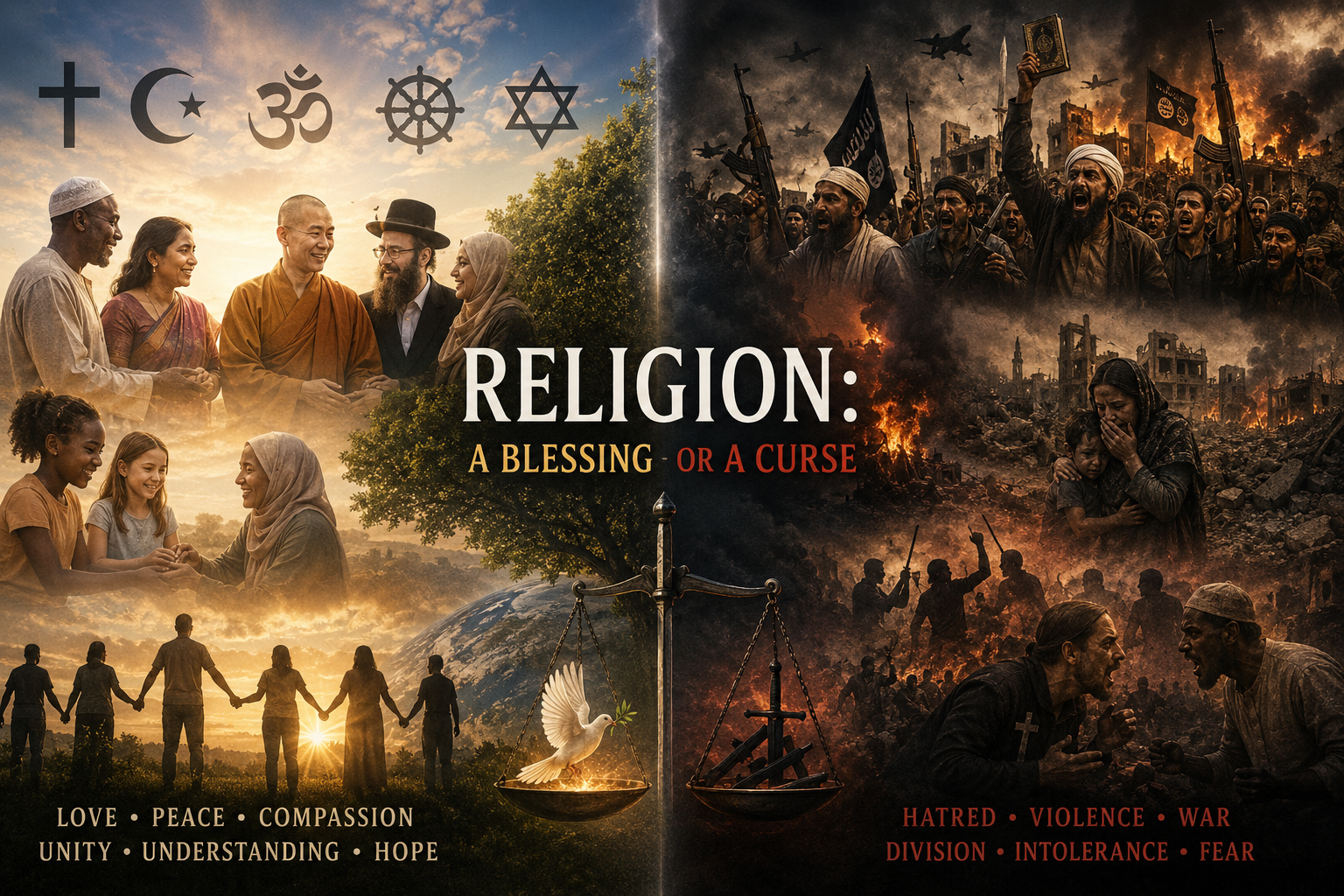
It is important to note that countries that were once peaceful turned out to be at the throats of each other’s as the years went by. A nearby example is Nigeria
In as much as there might be various destablisation factors both within or outside and most times with a combination of both inside and outside forces
Therefore security should be mounted on some immigrants who religious, ethnic and other agendas. Such individuals whether business or religious or ethnic champions who may even have business interests in the country may want to stir up embers of disunity to destablise the peaceful existence through regime change by aligning themselves with the opposition and other centrifugal forces in the country. NKRUMAH’s overthrow was an example. We could remember the instability and chaos that engulfed the country after his overthrow